In the dynamic world of photography, where capturing the perfect shot is paramount, lighting stands as a crucial element. If you’ve ever admired stunning portraits with beautifully illuminated faces and captivating eyes, chances are a ring light played a starring role. This versatile lighting tool has revolutionized how photographers, content creators, and makeup artists achieve professional-grade results, transforming ordinary photos into extraordinary visual stories.
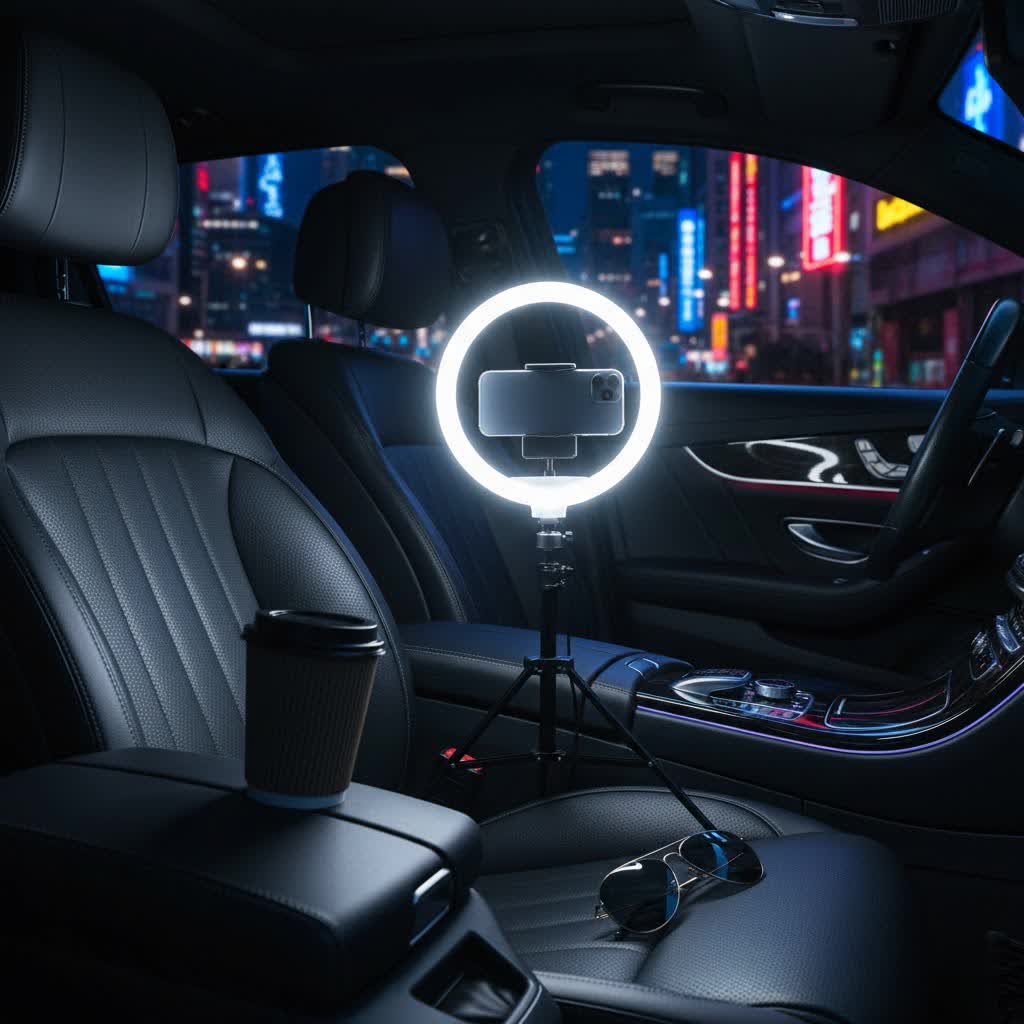
What is a Ring Light? What are its uses?
A ring light is a circular lighting device designed to provide soft, direct, and evenly distributed illumination. It typically consists of a series of small LED bulbs or a single circular fluorescent bulb arranged in a ring shape. When a camera or smartphone lens is placed in the center, the light envelops the subject from all angles, minimizing harsh shadows and creating a distinctive “halo” or “catchlight” in the eyes.
The uses of a ring light are diverse and extend across various fields. In portrait photography, it’s cherished for its ability to produce flattering, shadow-free lighting that enhances facial features and highlights details. For beauty and makeup artists, it’s an indispensable tool, ensuring accurate color rendition and even lighting for tutorials and close-up work. Videographers and livestreamers utilize ring lights to maintain consistent, appealing illumination, making them look vibrant and professional on camera. Its uniform light also makes it excellent for macro photography, where consistent, all-around illumination is essential for capturing intricate details without shadows. Moreover, its simplicity and effectiveness make it a go-to for selfies and content creation on social media platforms.
Popular Ring Light Types on the Market
Ring lights come in various forms, each suited to different needs and environments. Understanding these classifications helps in choosing the perfect tool for your craft.
Ring lights are broadly categorized by their physical attributes and technological features:
- By Size:
- Small (4-10 inches): These are often clip-on models for smartphones or compact tabletop lights, ideal for casual selfies, video calls, or close-up work in small spaces. They are highly portable and budget-friendly.
- Medium (12-18 inches): The most popular size for general portraiture, vlogging, and makeup tutorials. They offer a good balance of portability and powerful illumination, often coming with adjustable stands.
- Large (18 inches and above): Designed for professional studio settings, these lights provide the most powerful and encompassing illumination, suitable for full-body shots or when a wider spread of light is needed.
- By Technology:
- LED Ring Lights: The most common and recommended type today. LED lights are energy-efficient, long-lasting, and often feature adjustable brightness (dimmable) and color temperature controls, allowing users to switch between warm (yellow), neutral, and cool (blue) light.
- Fluorescent Ring Lights: Older models typically used fluorescent bulbs. While they provide bright, even light, they usually lack the versatility of LED lights in terms of dimming and color temperature adjustments.
- By Features:
- Adjustable Brightness (Dimmable): Crucial for controlling the intensity of light to match ambient conditions or achieve desired effects.
- Adjustable Color Temperature: Allows users to fine-tune the light’s warmth or coolness (measured in Kelvin, e.g., 3200K for warm, 5600K for daylight, 7000K for cool), impacting the mood and color accuracy of the shot.
- Remote Control: Many modern LED ring lights come with remotes or smartphone app control for convenient adjustments.
- Included Accessories: Often come with light stands, phone holders, camera mounts, and carrying cases, enhancing their usability and portability.
Comparing Ring Light Types
Choosing between different ring light types involves weighing their specifications against your specific requirements. Each variant offers distinct advantages and potential limitations.
Detailed Comparison Table
|
Our Picks for the Best Ring Light in 2026
As an Amazon Associate I earn from qualifying purchases.
|
||
| Num | Product | Action |
|---|---|---|
| 1 | Ring Outdoor Cam Pro, Plug-In (newest model), Home or business security, Retinal 4K with wide-angle video, 10x Enhanced Zoom, and Low-Light Sight, White |

|
| 2 | Weilisi 10" Ring Light with Stand 72'' Tall & Phone Holder,38 Color Modes Selfie Light with Tripod Stand,Stepless Dimmable/Speed LED Ring Light for iPhone & Android,YouTube, Makeup,TIK Tok |
|
| 3 | Hagibis 21 inch Ring Light with Stand Outer 55W 5600k Dimmable LED Light, Tripod Stand,and Phone Holder,Remote Controller,Carrying Bag ,CRI 97+ 2540lux, for Streaming Home Office Zoom Call Lighting |
|
| 4 | Ring Spotlight Cam Pro, Plug-in (newest model), Home or business security, Retinal 4K with wide-angle video, 10x Enhanced Zoom, and 600 Lumen Spotlights, White |
|
| 5 | Sensyne 10'' Ring Light with 50'' Extendable Tripod Stand, LED Circle Lights with Phone Holder for Live Stream/Makeup/YouTube Video/TikTok, Compatible with All Phones |
|
| 6 | Ring Floodlight Cam Pro, Wired (newest model), Home or business security, Retinal 4K with wide-angle video, 10x Enhanced Zoom, and 2000 Lumen Floodlights, White |
|
| 7 | Video Conference Lighting for Zoom Meeting, Ring Light for Desk with Flexible Stand, 30 Light Modes Light for Video Recording, Desk Light & Memory Function for Zoom Calls, Video Streaming, Webcam |
|
| 8 | UBeesize 12'' Selfie Ring Light with 62’’ Tripod Stand for Video Recording, Live Streaming(YouTube, Instagram, TIK Tok), Compatible with Phones, Cameras and Webcams |
|
| 9 | NEEWER Ring Light 18inch Kit: 55W 5600K Professional LED with Stand and Phone Holder, Soft Tube & Bag for Tattoo Lash Extension Barber Makeup Artist Studio Video Photography Lighting, RL-18 |
|
| 10 | CloudValley Magnetic Desktop 10" Ring Light with Battery Display, 5000mAh Overhead Phone Mount, Foldable Portable LED Light with 3 Modes & 10-Level Brightness for Makeup, Selfies, TikTok, YouTube |
|
Here’s a detailed comparison to help illustrate the differences between common ring light configurations:
| Feature | Small (e.g., UBeesize 10-inch) | Medium (e.g., Neewer 18-inch) | Large (e.g., Diva Ring Light Super Nova) |
|---|---|---|---|
| Size (Diameter) | 4-10 inches | 12-18 inches | 18 inches+ |
| Power Output | Lower (e.g., 10-20W) | Medium (e.g., 40-60W) | Higher (e.g., 60-100W+) |
| Brightness | Sufficient for close-up selfies/vlogging | Good for individual portraits, makeup, streaming | Excellent for professional studio, wider shots |
| Color Temp. | Often limited fixed options or basic adjustable | Typically bi-color (3200K-5600K or wider) | Usually bi-color (3200K-5600K or wider) |
| Price Range | Budget-friendly ($20-$70) | Mid-range ($70-$200) | Higher-end ($200-$500+) |
| Portability | Highly portable, often clip-on or tabletop | Moderately portable, usually with a stand | Less portable, often requiring dedicated transport |
| Pros | Compact, affordable, convenient for mobile, simple setup | Versatile, good balance of power/portability, popular for content creators | Powerful, wide light spread, professional results, often more durable |
| Cons | Limited power, less suitable for full portraits | Can still be bulky for travel, may not cover large areas | More expensive, less portable, requires more space |
Top Reputable Ring Light Brands
The market offers a plethora of ring light brands, but a few have consistently stood out for their quality, innovation, and reliability. These brands cater to various segments, from hobbyists to seasoned professionals.
Among the most reputable brands are Neewer, known for its affordable yet high-performing 18-inch LED kits, making them a favorite for budget-conscious professionals. The Elgato Ring Light is highly regarded by content creators and streamers for its sleek design, app control, and robust build. For beauty and professional portrait photography, the Diva Ring Light Super Nova offers exceptionally smooth and flattering light. UBeesize provides excellent budget-friendly and portable options, especially their 10-inch selfie ring lights. Other noteworthy brands include Lume Cube (for premium performance and wireless control), Westcott (known for professional-grade, battery-powered options), and Razer (a strong contender for streaming and video calls).
Guide to Choosing the Right Ring Light
Selecting the ideal ring light involves a thoughtful assessment of your specific needs, financial constraints, and technical preferences. A well-chosen ring light can significantly enhance the quality of your visual content.
Determine Usage Needs
Before diving into specifications, clarify your primary purpose. Are you a makeup artist needing flawless, color-accurate lighting for close-ups? A vlogger requiring consistent, flattering light for videos? A portrait photographer aiming for stunning catchlights and even skin tones? Or simply seeking to improve your selfies? For highly detailed close-ups and makeup tutorials, ring lights are often the best lighting option. If portability is key, a smaller, clip-on or tabletop model might be suitable, whereas studio work may demand a larger, more powerful unit.
Your Budget Is How Much?
Ring lights are available across a wide price spectrum. Entry-level models for smartphones can cost as little as $20-$50, offering basic functionality. Mid-range options ($70-$200) provide more power, adjustable features, and better build quality, suitable for most content creators and hobbyist photographers. Professional-grade ring lights ($200+) come with advanced controls, superior light quality, and robust construction, often catering to studio environments and commercial work. Define your budget early to narrow down choices.
Understand Technical Specifications
Delving into the technical aspects ensures you pick a light that performs as expected.
- Power/Brightness: Measured in watts (W) or lumens, this indicates the light’s intensity. Higher wattage generally means brighter light. For portraits, adjustable brightness is crucial to adapt to different scenarios.
- Color Temperature: Measured in Kelvin (K), this determines the “warmth” or “coolness” of the light. Lower Kelvin values (e.g., 2700K-3200K) produce warm, yellowish light, while higher values (e.g., 5500K-6500K) create cool, bluish-white light. Bi-color ring lights offer a range (e.g., 3000K-6000K), providing versatility. For balancing light, a perfect color temperature is crucial for delightful photos.
- Color Rendering Index (CRI): This measures how accurately a light source renders colors compared to natural sunlight. A higher CRI (90+) is essential for portrait and beauty photography, ensuring skin tones and makeup colors appear true to life.
Read Reviews and Compare Products
Once you have a few options in mind, thoroughly research user reviews and professional comparisons. Look for feedback on light quality, durability, ease of use, and customer support. Pay attention to comments regarding specific use cases similar to yours. Online forums and video reviews can provide practical insights that specifications alone might not reveal.
“A common mistake is buying a ring light based solely on price. Investing a little more in a model with adjustable color temperature and a high CRI can dramatically improve your portrait quality and versatility.” – Admin, Reviewubon.com
Where to Buy a Ring Light?
Acquiring a ring light is easier than ever, with numerous reputable channels available. The choice often comes down to convenience, price, and the desire for hands-on experience.
Most major online retailers like Amazon, B&H Photo, Adorama, and individual brand websites (e.g., Neewer, Elgato) offer a vast selection, often with competitive pricing and detailed product information. This allows for easy comparison and home delivery. For those who prefer to see and test products in person, electronics stores and specialized photography shops can be a good option, providing expert advice and immediate purchase. When buying online, always check the seller’s reputation, return policy, and warranty information to ensure a secure purchase and protection against defects.
How to Use and Maintain Your Ring Light
Mastering the use of your ring light involves proper setup and understanding key adjustments, while good maintenance ensures its longevity.
To achieve that signature ring light effect, place your camera lens directly in the center of the ring light. Position the light in front of your subject, ensuring the light is evenly distributed across their face. For camera settings, a good starting point is often f/5.6 at 1/160s, then adjust ISO, aperture, or shutter speed as needed. Experiment with the brightness and color temperature settings of your ring light to match the mood of your shoot or balance with ambient light. For instance, cooler temperatures might suit a modern aesthetic, while warmer tones create a softer, more inviting feel. You can also experiment with different angles; while the “camera-through-the-ring” setup is classic, angling the ring light off-axis can create unique lighting patterns, essentially turning it into a softbox. This can add depth that the traditional flat ring light effect might lack.
For maintenance, regularly clean the light panel with a soft, dry cloth to remove dust and smudges, which can affect light quality. Store your ring light in its carrying case (if provided) or a padded bag to protect it from damage and dust when not in use. Avoid exposing it to extreme temperatures or moisture, and always handle it gently, especially when adjusting the stand or mounting accessories.
Common Ring Light Issues and How to Fix Them
Even with the best equipment, users can encounter challenges. Knowing how to troubleshoot common ring light issues can save a shoot and improve your final results.
One frequent issue is glare or reflections, especially in glasses or shiny surfaces. To fix this, try positioning the ring light slightly above the subject’s eye line or gently angling it downwards. Minor adjustments can eliminate unwanted reflections while maintaining flattering illumination. Another common problem is overexposure or a “washed-out” look, particularly in well-lit environments. This often happens when the ring light is too powerful for the scene. The solution is to reduce the ring light’s brightness, balance it with existing ambient light, or increase your camera’s shutter speed or aperture. If your portraits appear too “flat” or lack dimension, remember that a ring light is designed for even, shadow-minimizing illumination. To introduce more dramatic shadows, you can experiment with using the ring light off-axis as a standard studio light, combining it with other light sources like a softbox, or adjusting your subject’s pose relative to the light.
Conclusion
Ring lights have firmly established themselves as an invaluable tool for anyone passionate about creating captivating portraits, whether for professional photography, beauty tutorials, or everyday content creation. Their ability to deliver soft, even, and flattering illumination, coupled with the distinctive catchlight they produce in the eyes, makes them a standout choice. By understanding the different types, key specifications, and effective usage techniques, you can confidently select and wield a ring light to elevate your imagery to new heights.
From choosing the right size and features to mastering placement and camera settings, the journey to perfect ring light portraits is an exciting one. With a bit of practice and an eye for detail, you’ll consistently achieve beautifully lit, professional-looking results that truly make your subjects shine.
What creative ways will you use a ring light to transform your next portrait session?
Frequently Asked Questions
What is the ideal distance for a ring light in portrait photography?
For most portrait photography, position the ring light approximately 1-3 feet from your subject. This distance helps achieve soft, even illumination and the signature circular catchlight in the eyes, ensuring the light wraps around the face effectively without being too harsh.
Can I use a ring light outdoors for portraits?
Yes, a ring light can be used outdoors, especially to act as a fill light to soften shadows cast by harsh sunlight or to add extra illumination in dimly lit outdoor areas. However, for outdoor use, you’ll need a battery-powered ring light and one with sufficient brightness to compete with ambient light.
How do I avoid reflections in glasses when using a ring light?
To minimize reflections in glasses, adjust the angle of your ring light slightly, typically by raising it a few inches above the subject’s eye level and tilting it slightly downward. You can also ask your subject to slightly tilt their head or glasses to find an angle that eliminates the glare.
What camera settings are best for ring light portraits?
A good starting point for camera settings is an aperture of f/4 to f/5.6 for a sharp subject and slightly blurred background, a shutter speed of 1/125s to 1/160s, and an ISO of 100-400, adjusting as needed for ambient light. Always fine-tune based on your specific lighting conditions.
Is a larger or smaller ring light better for portraits?
Generally, a larger ring light (14-18 inches) is better for portraits as it provides a broader, softer light source, resulting in more even illumination and less harsh shadows. Smaller ring lights (under 10 inches) are more suited for close-up selfies, makeup application, or portable use with smartphones.
How does color temperature affect ring light portraits?
Color temperature (measured in Kelvin) significantly impacts the mood and appearance of your portraits. Warmer temperatures (around 3200K) create a soft, inviting glow, while cooler temperatures (around 5600K-6000K) mimic natural daylight, offering a crisp, clean look. Adjustable color temperature allows for creative control.
Can a ring light make portraits look “flat”?
Yes, due to its highly even and direct illumination, a ring light can sometimes create a “flat” look by minimizing shadows. To add dimension, you can slightly move the ring light off-axis, use it in conjunction with a fill light, or incorporate creative posing to introduce subtle shadows and depth.
