In the dynamic world of photography, perfect lighting isn’t just an advantage—it’s a necessity. It shapes mood, highlights details, and transforms ordinary images into captivating works of art. For many photographers, the quest for that ideal glow leads directly to the ring light. Whether you’re a seasoned professional or just starting your creative journey, mastering this versatile tool can dramatically enhance your photographic output, giving your subjects a soft, even illumination that truly makes them shine.
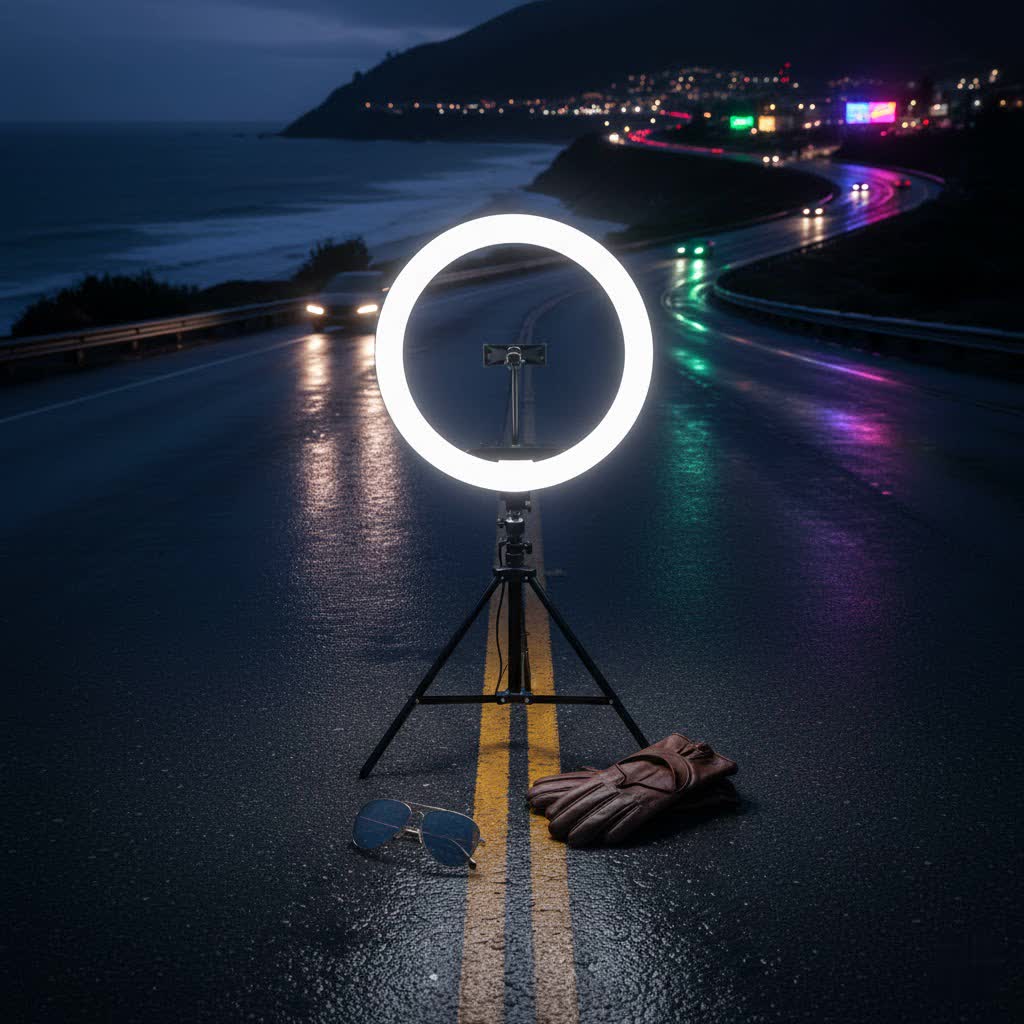
What is a Ring Light? Its Uses and Benefits in Photography
At its core, a ring light is a circular lighting device designed to provide a soft, diffused light source. Typically composed of numerous small LED bulbs arranged in a ring, it allows your camera lens to sit directly in its center, ensuring illumination from all angles around your subject. This unique design minimizes harsh shadows and creates a distinctive, angelic “halo” or “catchlight” in the eyes, which is highly sought after in many photographic styles.
Originally embraced by the medical and cosmetic fields for its ability to illuminate subjects evenly without shadows, the ring light has become an indispensable tool for photographers across various genres.
- Portrait and Headshot Photography: This is arguably where ring lights shine brightest. By encircling the camera, the light wraps around the subject’s face, smoothing skin tones, reducing blemishes, and creating that signature sparkling catchlight in the eyes. The result is a flattering, professional-looking portrait that feels both vibrant and natural.
- Macro Photography: For capturing intricate details of small subjects, a ring light provides uniform, shadow-free illumination crucial for revealing fine textures and features. Its precise, wraparound light prevents hotspots and ensures every tiny element is perfectly lit.
- Product Photography: While sometimes debated against traditional softboxes for general product shots, a ring light can be incredibly effective for specific products, especially those that benefit from even, direct illumination. When the product is placed close to or within the ring’s influence, it can achieve a clean, appealing look.
- Beauty and Makeup Photography: Makeup artists and beauty photographers adore ring lights for their ability to show off makeup artistry with true-to-life colors and flawless skin rendition. The even light eliminates distractions and ensures every detail of the application is visible.
- Content Creation and Live Streaming: For anyone filming themselves—whether for vlogs, tutorials, or live broadcasts—a ring light provides consistent, appealing facial lighting that keeps the subject looking bright and engaging on camera.
The primary benefit lies in its capacity to deliver soft, even, and almost shadowless light, making subjects appear smoother and more dimensional.
Types of Ring Lights Available
The market offers a diverse range of ring lights, each tailored to different needs and budgets. Understanding the variations is key to finding your perfect photographic companion.
- By Size:
- Small (Clip-on/Tabletop): These compact lights, often 6-10 inches in diameter, are highly portable and usually clip directly onto smartphones, laptops, or sit on a desk. They’re ideal for quick selfies, video calls, or illuminating small objects.
- Medium: Ranging from 12-14 inches, these offer a good balance of portability and power. They are popular for beauty bloggers, vloggers, and photographers working in smaller spaces, providing more coverage than clip-ons.
- Large (Professional): Typically 18 inches or larger, these are the workhorses for serious photographers. They provide the widest, softest light spread, making them excellent for full portrait shots, studio work, and situations requiring more substantial illumination.
- By Technology:
- LED Ring Lights: The most prevalent type today, LED (Light Emitting Diode) ring lights are energy-efficient, long-lasting, and offer excellent brightness and color control. They typically provide continuous light.
- Fluorescent Ring Lights: Older models often used circular fluorescent bulbs. While they produce soft light, they can be less energy-efficient, generate more heat, and offer less precise control over brightness and color temperature compared to LEDs.
- By Features:
- Adjustable Brightness (Dimmable): Most modern ring lights allow you to control the light intensity, which is crucial for adapting to different ambient conditions and achieving desired exposure.
- Adjustable Color Temperature (Bi-color): Many LED ring lights offer variable color temperatures, allowing you to switch between warm (e.g., 3200K for indoor/tungsten emulation) and cool (e.g., 5600K for daylight emulation) light, or even a mix for a neutral balance. This helps match existing light sources or create specific moods.
- Power Source: Options include USB-powered (for smaller, portable lights), battery-powered (for outdoor or mobile shoots), and mains-powered (for consistent studio use).
- Remote Control: Some advanced models come with wireless remotes, making it easy to adjust settings without disturbing your setup.
- Mounting Options: Most larger ring lights come with a sturdy tripod stand and include mounts for both smartphones and DSLR/mirrorless cameras.
Comparing Different Ring Light Models
Choosing the right ring light involves weighing various factors based on your specific photographic needs. While a detailed product-by-product comparison can be overwhelming due to the sheer volume of options, understanding general categories and their characteristics is helpful.
| Feature | Small Ring Lights (6-10 inch) | Medium Ring Lights (12-14 inch) | Large Ring Lights (18+ inch) |
|---|---|---|---|
| Typical Use | Selfies, vlogging, video calls, small product photography, on-the-go | Beauty tutorials, vlogging, close-up portraits, small studio work | Professional portraits, studio photography, larger product shoots, fashion |
| Power Output | Lower (often USB powered) | Moderate (USB/battery/mains) | Higher (typically mains/battery) |
| Light Softness | Can be harsher due to smaller size, requires closer proximity | Good, offers a flattering spread | Excellent, very soft and even illumination |
| Portability | Very high, often pocket-sized or easily fits in a bag | High, generally comes with a collapsible stand | Moderate, usually requires a larger bag/case |
| Features | Basic brightness control, fixed or limited color temp | Dimmable, bi-color temperature, phone mounts, basic stands | Dimmable, wide color temp range, high CRI, robust stands, remote control, camera mounts |
| Price Range | Budget-friendly | Mid-range | Higher-end, professional investment |
| Pros | Extremely portable, affordable, quick setup | Versatile for various content, good balance of features | Superior light quality, wider coverage, professional results |
| Cons | Limited power/coverage, less professional finish | May not be powerful enough for larger subjects/spaces | Less portable, higher cost, can be bulky |
This general comparison helps illustrate that while small lights are convenient for casual use, larger lights offer the power and quality required for professional photography, with medium options bridging the gap.
Top Ring Light Brands for Photographers
Several brands have established a strong reputation for producing reliable and high-quality ring lights suitable for photographers.
- Neewer: A highly popular brand known for offering excellent value. Neewer ring lights often combine robust build quality with essential features like dimmable brightness and adjustable color temperature at competitive price points. Models like the Neewer RL-18 are frequently recommended for makeup artists and portrait photographers.
- Lume Cube: For those seeking premium performance and reliability, Lume Cube offers professional-grade ring lights, such as the Lume Cube Ring Light Pro, which are praised for their superior light quality, accurate color rendition, and robust features like integrated batteries and remote control.
- Razer: While often associated with gaming, Razer also produces well-regarded ring lights that offer great light quality and build quality, often coming as complete kits with tripods, making them a solid all-around choice for many content creators and casual photographers.
- Westcott: Known for its commitment to professional lighting solutions, Westcott offers high-performance ring lights, such as the 18″ Bi-Color LED, which are favored by professionals for their power, accuracy, and digital controls.
- UBeesize & Sensyne: These brands are popular in the budget-friendly segment, offering feature-rich ring lights that are highly accessible and provide good performance for their price, making them excellent entry-level options.
When considering brands, always look for those that balance performance, features, and durability with your budget.
How to Choose the Right Ring Light for Your Photography Needs
Selecting the ideal ring light is a personal decision that hinges on understanding your specific requirements. Consider these factors to make an informed choice.
Define Your Photography Goals
First, pinpoint the primary purpose of your ring light.
- Are you primarily shooting portraits or headshots? A larger, more powerful ring light (18 inches or above) will provide the softest, most encompassing light.
- Is macro photography your focus? A smaller, perhaps lens-mounted, ring light might be more appropriate for precise illumination of tiny subjects.
- Do you need it for product photography? Evaluate the size of your products. Larger items will benefit from bigger lights, while smaller products might work with medium-sized options.
- Are you a vlogger or live streamer? Medium to large lights are popular for flattering facial illumination.
Knowing your core application will guide your size and feature choices.
|
Our Picks for the Best Ring Light in 2026
As an Amazon Associate I earn from qualifying purchases.
|
||
| Num | Product | Action |
|---|---|---|
| 1 | Hagibis 21 inch Ring Light with Stand Outer 55W 5600k Dimmable LED Light, Tripod Stand,and Phone Holder,Remote Controller,Carrying Bag ,CRI 97+ 2540lux, for Streaming Home Office Zoom Call Lighting |

|
| 2 | NEEWER Ring Light 18inch Kit: 55W 5600K Professional LED with Stand and Phone Holder, Soft Tube & Bag for Tattoo Lash Extension Barber Makeup Artist Studio Video Photography Lighting, RL-18 |
|
| 3 | Video Conference Lighting for Zoom Meeting, Ring Light for Desk with Flexible Stand, 30 Light Modes Light for Video Recording, Desk Light & Memory Function for Zoom Calls, Video Streaming, Webcam |
|
| 4 | Ring Floodlight Cam Pro, Wired (newest model), Home or business security, Retinal 4K with wide-angle video, 10x Enhanced Zoom, and 2000 Lumen Floodlights, White |
|
| 5 | Weilisi 10" Ring Light with Stand 72'' Tall & Phone Holder,38 Color Modes Selfie Light with Tripod Stand,Stepless Dimmable/Speed LED Ring Light for iPhone & Android,YouTube, Makeup,TIK Tok |
|
| 6 | Ring Spotlight Cam Pro, Plug-in (newest model), Home or business security, Retinal 4K with wide-angle video, 10x Enhanced Zoom, and 600 Lumen Spotlights, White |
|
| 7 | CloudValley Magnetic Desktop 10" Ring Light with Battery Display, 5000mAh Overhead Phone Mount, Foldable Portable LED Light with 3 Modes & 10-Level Brightness for Makeup, Selfies, TikTok, YouTube |
|
| 8 | UBeesize 12'' Selfie Ring Light with 62’’ Tripod Stand for Video Recording, Live Streaming(YouTube, Instagram, TIK Tok), Compatible with Phones, Cameras and Webcams |
|
| 9 | Ring Outdoor Cam Pro, Plug-In (newest model), Home or business security, Retinal 4K with wide-angle video, 10x Enhanced Zoom, and Low-Light Sight, White |
|
| 10 | Sensyne 10'' Ring Light with 50'' Extendable Tripod Stand, LED Circle Lights with Phone Holder for Live Stream/Makeup/YouTube Video/TikTok, Compatible with All Phones |
|
Consider Size and Portability
The physical size of the ring light dictates both its light spread and its convenience.
- For studio-based photography where portability isn’t a concern, a large 18-inch or 20-inch ring light is often preferred for its wide, soft output.
- If you’re often on the go, shooting in various locations, a medium-sized ring light (12-14 inches) offers a good compromise between light quality and ease of transport.
- For extreme portability or smartphone use, a clip-on or small tabletop ring light is the best bet. Remember, larger lights generally produce softer light.
Understand Key Technical Specifications
Beyond size, delve into the technical aspects that define a ring light’s performance.
- Power/Brightness (Wattage/Lumens/Lux): This indicates how strong the light is. Higher wattage or lumen/lux ratings mean a brighter light, which is crucial for overcoming ambient light or illuminating subjects from a greater distance. Dimmable options are essential for fine-tuning.
- Color Temperature (Kelvin – K): Measured in Kelvin, this determines the “warmth” or “coolness” of the light.
- Warmer tones (around 3000K-3500K) mimic incandescent bulbs, creating a cozy, yellowish glow.
- Cooler tones (around 5500K-6500K) simulate daylight, producing a crisp, bluish-white light.
- Bi-color ring lights offer adjustability between these ranges, allowing you to match environmental lighting or create specific moods.
- Color Rendering Index (CRI): This metric (0-100) measures how accurately a light source renders colors compared to natural sunlight. For photography, especially portraits and product shots, a high CRI (90+) is vital to ensure true-to-life color reproduction and accurate skin tones.
Set Your Budget
Ring lights are available across a wide price spectrum. Basic models can be very affordable, while professional-grade lights with advanced features, higher power, and superior build quality command higher prices. Determine how much you’re willing to invest, keeping in mind that a good quality light is a long-term asset for your photography.
Read Reviews and Watch Demos
Before committing, take the time to research. Read reviews from other photographers and watch video demonstrations online. Pay attention to feedback regarding light quality, durability, ease of use, and any common issues. This collective wisdom can provide invaluable insights and help confirm your decision.
Essential Tips for Using Your Ring Light in Photography
A ring light is a powerful tool, but like any piece of equipment, knowing how to use it correctly unlocks its full potential.
Optimal Positioning for Best Results
The placement of your ring light is paramount to achieving its signature effect.
- Directly in front: For most portrait and close-up work, position the ring light directly in front of your subject, ensuring the camera lens is centered within the ring. This creates the iconic circular catchlights and even, shadow-reducing illumination.
- Close proximity: To maximize the soft, wraparound effect, bring the ring light as close to your subject as comfortably possible without it appearing in the frame. The closer the light, the softer and more pronounced the “ring” effect will be.
- Slightly above: If you’re encountering glare in glasses or reflective surfaces, try positioning the ring light slightly above the subject’s eye line and tilting it down slightly.
Mastering Exposure and Brightness
Achieving the perfect exposure requires a balance between your camera settings and the ring light’s output.
- Start with manual camera settings: Begin with a balanced aperture (e.g., f/5.6), a shutter speed fast enough to avoid blur (e.g., 1/160s), and a low ISO.
- Adjust ring light brightness: Use the dimmable feature of your ring light to fine-tune the illumination. If the image is too bright, reduce the light’s intensity. If it’s too dark, increase it.
- Consider ambient light: In well-lit environments, your ring light might be too powerful. Balance its output with the existing ambient light to prevent overexposure or an unnaturally bright look.
Harnessing Color Temperature
Leveraging the adjustable color temperature settings can dramatically impact the mood and accuracy of your photos.
- Match ambient light: If shooting indoors with warm household lights, set your ring light to a warmer temperature (around 3200K) to create a consistent and natural look.
- Daylight simulation: For a bright, clean, and modern aesthetic, or when shooting outdoors at dusk, use a cooler temperature (around 5600K or higher) to mimic natural daylight.
- Creative effects: Experiment with different color temperatures to evoke specific feelings or artistic styles. A slightly warmer tone can create a cozy, inviting atmosphere, while cooler tones can feel crisp and professional.
Creative Applications and Avoiding Common Pitfalls
Go beyond the basics to unlock more creative possibilities with your ring light.
- Combine with other lights: Don’t be afraid to use your ring light as a key light in conjunction with other studio lights (like softboxes or strobes) as fill or accent lights. This can add depth and dimension to your photographs, moving beyond the often “flat” look of a standalone ring light.
- Use diffusers: If the light appears too harsh, consider attaching a diffuser to your ring light. Many models come with built-in or attachable diffusers that soften the light, making it even more flattering for portraits.
- Experiment with angles: While head-on is common, slightly shifting the ring light to an angle can create subtle shadows and add more contour to your subject’s face, offering a different artistic interpretation.
- Avoid glare: Besides positioning, consider asking subjects wearing glasses to tilt their head slightly or adjust the angle of their glasses to minimize reflections.
“A ring light’s magic isn’t just in its even illumination, but in its ability to sculpt and define, transforming an ordinary shot into a captivating visual story.”
Where to Buy Quality Ring Lights
Investing in a quality ring light is straightforward with numerous reputable channels available.
- Online Retailers: Websites like Amazon, B&H Photo Video, and Adorama offer extensive selections from various brands, often with competitive pricing, detailed product descriptions, and customer reviews.
- Specialized Photography Stores: Local camera shops or larger photography equipment retailers can provide hands-on experience with different models and expert advice.
- Manufacturer Websites: Purchasing directly from brand websites (e.g., Neewer, Lume Cube) can sometimes offer exclusive deals or direct access to customer support.
When buying, always confirm the seller’s return policy, warranty information, and customer service availability to ensure a smooth purchase experience.
Maintaining Your Ring Light for Longevity
Proper care and maintenance will ensure your ring light serves you reliably for years.
- Handle with care: Ring lights, especially larger models, can be delicate. Always handle them gently, particularly when adjusting their position or disassembling them.
- Clean regularly: Dust can accumulate on the light source, potentially affecting light quality. Use a soft, lint-free cloth to gently wipe the LEDs or fluorescent tubes. Avoid abrasive cleaners.
- Store properly: When not in use, store your ring light in its dedicated carrying case (if provided) or a padded bag to protect it from dust, moisture, and physical damage.
- Cable management: Keep power cables neatly coiled and avoid sharp bends or kinks, which can damage the wiring over time.
- Check connections: Periodically inspect all connections (power, mounts, stands) to ensure they are secure and free from wear and tear.
Common Ring Light Photography Issues and Solutions
Even with the right gear, you might encounter some common challenges. Here’s how to troubleshoot them:
- Overexposed Photos: If your images look too bright, first reduce the ring light’s brightness settings. If still overexposed, adjust your camera’s exposure settings by increasing shutter speed, decreasing aperture (using a higher f-number), or lowering ISO.
- Harsh Shadows or Uneven Light: Ensure the subject is centered within the ring light and that the light is close enough to the subject. If the light source is too far, it loses its wraparound effect. Consider using a larger ring light for wider subjects.
- Glare in Glasses or Reflective Surfaces: Reposition the ring light slightly higher or lower, or adjust the subject’s head angle. A diffuser can also significantly soften the light and reduce specular highlights.
- Lack of Power/Brightness: If your ring light isn’t bright enough, ensure it’s plugged into a stable power source or that batteries are fully charged. You might also need a higher-wattage ring light if your shooting environment is very bright or your subject is far away.
- Flickering Light: This can often be due to an unstable power connection. Check all cables and try a different power outlet. If using a battery-powered model, ensure the battery is charged and functioning correctly.
Conclusion
Ring lights have carved out an essential niche in modern photography, empowering creators of all levels to produce stunning, well-lit images with ease. From the flattering glow it casts on portraits to its precision in macro photography, understanding its functionalities and mastering its use can significantly elevate your creative output. By carefully selecting a model that aligns with your specific needs, learning optimal positioning, and experimenting with its versatile features, you’ll unlock a world of beautifully illuminated possibilities.
What aspect of ring light photography are you most excited to explore first?
Frequently Asked Questions
Is a larger ring light always better for photography?
While larger ring lights generally produce a softer and more diffused light due to their wider surface area, which is often preferred for portraits, a smaller ring light can be more practical for portability, macro photography, or lighting very small subjects. The “best” size depends on your specific use case.
Can I use a ring light outdoors for photography?
Yes, many battery-powered ring lights are designed for outdoor use. They can provide valuable fill light to soften harsh shadows caused by natural sunlight, or act as a primary light source in dimmer outdoor conditions, helping to ensure your subject is well-illuminated.
How do I get the distinctive “catchlight” in my subject’s eyes?
To achieve the iconic circular catchlight, position your ring light directly in front of your subject with your camera lens centered within the ring. The reflection of the circular light in the subject’s eyes creates this unique and appealing effect.
