In the dynamic world of barbering, precision, presentation, and client satisfaction reign supreme. Every cut, every fade, and every style is a testament to a barber’s skill. Yet, even the most seasoned hands can be hampered by inadequate lighting. This is where the humble ring light emerges as an indispensable tool, transforming a barber station from simply functional to truly exceptional. If you’ve ever struggled with shadows, yearned for consistent illumination, or wanted to showcase your artistry with stunning visuals, then understanding the power of a barber ring light is your next step to professional excellence.
What is a Ring Light? What are its uses?
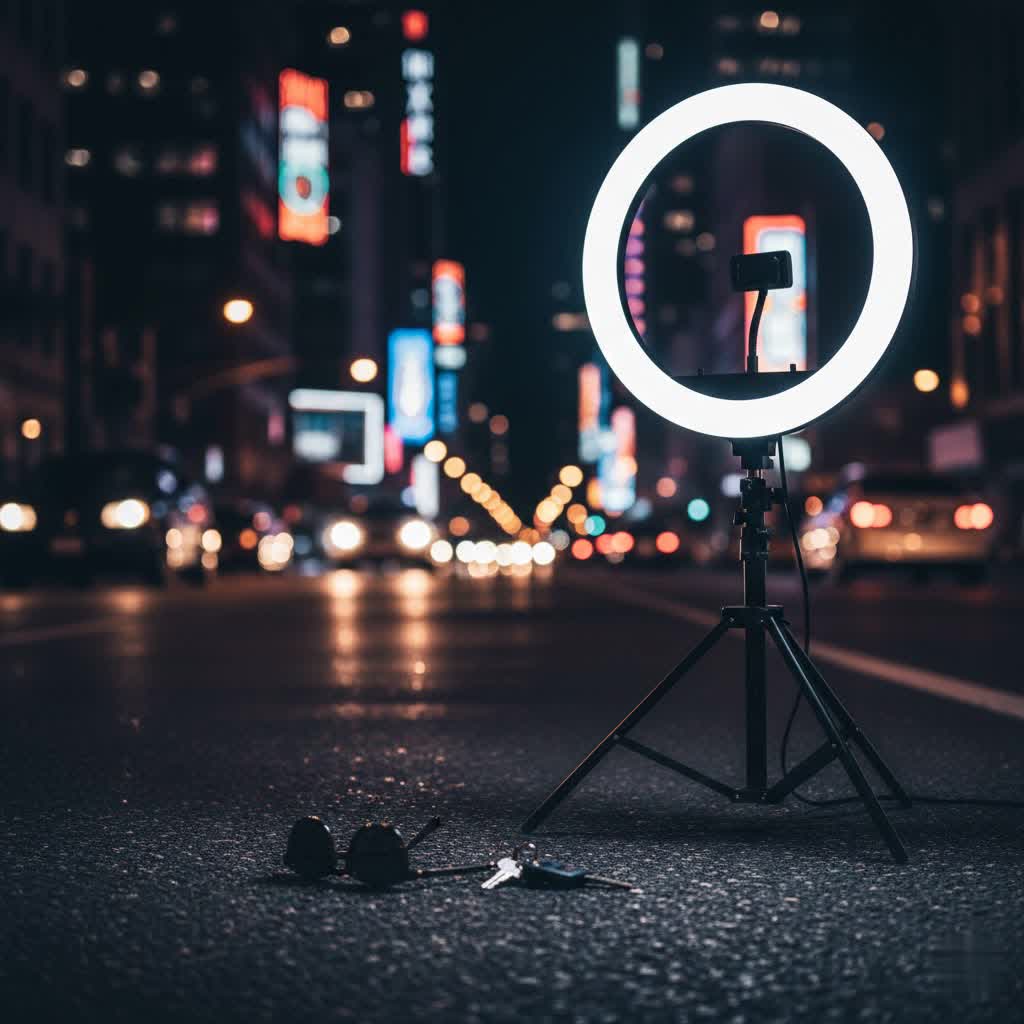
A ring light is a circular lighting device designed to provide even, shadow-free illumination around a central point. Originally a staple in photography and videography, its unique design creates a soft, diffused glow that minimizes harsh shadows and flatters subjects. For barbers, this translates into a powerful tool for enhancing visibility and precision during detailed work.
The applications of a ring light in a barbershop are diverse and impactful. Primarily, it offers superior illumination for precision cutting and styling, allowing barbers to clearly see every strand of hair, identify subtle lines, and execute intricate fades and designs with unparalleled accuracy. Beyond the cut itself, a ring light significantly improves the client experience by providing a well-lit, inviting atmosphere, making them feel more comfortable and relaxed during their service. Furthermore, in today’s digital age, ring lights are crucial for capturing high-quality photos and videos of finished haircuts and grooming transformations. This helps barbers build compelling portfolios, create engaging social media content, and attract new clientele by showcasing their best work under optimal lighting conditions.
Popular Ring Light Types on the Market
Ring lights come in various forms, each suited for different needs and environments within the barbering industry. Understanding these classifications helps in choosing the right tool for your specific craft.
Ring lights are commonly categorized by their size (diameter), ranging from compact desk models to large studio versions. Smaller ring lights, typically 6-10 inches, are portable and great for close-up detail work or for traveling barbers. Medium-sized lights, usually 12-18 inches, are the most popular for barber stations, providing ample coverage for a client’s head and face. Larger ring lights, 20 inches and above, are often used in studio settings or for broader illumination needs, though they can be quite imposing in a standard barber chair setup.
In terms of technology, LED (Light Emitting Diode) ring lights dominate the market. They are highly favored for their energy efficiency, long lifespan, and ability to offer adjustable brightness and color temperature. While older fluorescent ring lights exist, LED technology provides superior control and durability, making it the preferred choice for professional barbers. Many modern ring lights also feature advanced functionality, such as dimmable settings to control brightness, adjustable color temperature to switch between warm, neutral, and cool light, and often include remote controls for convenient operation. Some models even come with integrated phone or camera mounts, making them ready-to-go solutions for content creation.
Comparing Ring Light Types
Choosing the ideal ring light involves weighing various factors, from practical specifications to overall value. The right choice enhances your work, improves client satisfaction, and elevates your shop’s professional appeal.
Detailed Comparison Table
|
Our Picks for the Best Ring Light in 2026
As an Amazon Associate I earn from qualifying purchases.
|
||
| Num | Product | Action |
|---|---|---|
| 1 | Ring Spotlight Cam Pro, Plug-in (newest model), Home or business security, Retinal 4K with wide-angle video, 10x Enhanced Zoom, and 600 Lumen Spotlights, White |

|
| 2 | CloudValley Magnetic Desktop 10" Ring Light with Battery Display, 5000mAh Overhead Phone Mount, Foldable Portable LED Light with 3 Modes & 10-Level Brightness for Makeup, Selfies, TikTok, YouTube |
|
| 3 | Ring Floodlight Cam Pro, Wired (newest model), Home or business security, Retinal 4K with wide-angle video, 10x Enhanced Zoom, and 2000 Lumen Floodlights, White |
|
| 4 | Ring Outdoor Cam Pro, Plug-In (newest model), Home or business security, Retinal 4K with wide-angle video, 10x Enhanced Zoom, and Low-Light Sight, White |
|
| 5 | Video Conference Lighting for Zoom Meeting, Ring Light for Desk with Flexible Stand, 30 Light Modes Light for Video Recording, Desk Light & Memory Function for Zoom Calls, Video Streaming, Webcam |
|
| 6 | UBeesize 12'' Selfie Ring Light with 62’’ Tripod Stand for Video Recording, Live Streaming(YouTube, Instagram, TIK Tok), Compatible with Phones, Cameras and Webcams |
|
| 7 | NEEWER Ring Light 18inch Kit: 55W 5600K Professional LED with Stand and Phone Holder, Soft Tube & Bag for Tattoo Lash Extension Barber Makeup Artist Studio Video Photography Lighting, RL-18 |
|
| 8 | Sensyne 10'' Ring Light with 50'' Extendable Tripod Stand, LED Circle Lights with Phone Holder for Live Stream/Makeup/YouTube Video/TikTok, Compatible with All Phones |
|
| 9 | Weilisi 10" Ring Light with Stand 72'' Tall & Phone Holder,38 Color Modes Selfie Light with Tripod Stand,Stepless Dimmable/Speed LED Ring Light for iPhone & Android,YouTube, Makeup,TIK Tok |
|
| 10 | Hagibis 21 inch Ring Light with Stand Outer 55W 5600k Dimmable LED Light, Tripod Stand,and Phone Holder,Remote Controller,Carrying Bag ,CRI 97+ 2540lux, for Streaming Home Office Zoom Call Lighting |
|
| Feature | Small Ring Light (6-10 inches) | Medium Ring Light (12-18 inches) | Large Ring Light (20+ inches) |
|---|---|---|---|
| Typical Use | Portable, detail work, traveling barbers | Standard barber station, content creation | Studio, broader area illumination, large shops |
| Power/Brightness | Lower lumens, often USB-powered | Moderate to high lumens, AC powered | High lumens, powerful, always AC powered |
| Color Temperature | Often fixed or limited adjustment | Usually adjustable (bi-color) | Fully adjustable, precise control |
| CRI | Varies, can be lower | Generally 90+ recommended | High (90+), professional grade |
| Portability | Very High | Moderate | Low |
| Space Required | Minimal | Moderate | Significant |
| Price Range | Budget ($20-$50) | Mid-Range ($50-$120) | Premium ($120-$250+) |
| Pros | Compact, lightweight, affordable | Versatile, excellent value, balanced performance | Powerful, wide coverage, studio-quality |
| Cons | Limited coverage, less powerful | Can be bulky, may obstruct if too large | Very large, expensive, less portable |
Top Reputable Ring Light Brands
When investing in a barber ring light, opting for a reputable brand can provide assurance of quality, performance, and durability. While the market offers countless options, a few brands have consistently earned trust among professionals.
Neewer stands out as a highly popular and widely recommended brand in the lighting industry, especially for its accessible yet reliable ring lights. Many barbers report using Neewer 18-inch ring lights for years without issues, praising their balance of brightness, adjustability, and affordability. These lights often come with essential accessories like stands and phone holders, making them a complete package for barbers looking to upgrade their setup. Another brand frequently mentioned for its quality is Sunpak LED, known for offering robust and effective bi-color ring lights. While potentially a bit pricier, users often consider them a worthwhile investment for their enhanced features and build quality. When sourcing, looking to dedicated barber supply companies can also lead to reliable options, as these suppliers often curate products specifically for the trade, ensuring they meet professional standards.
How to Choose the Right Ring Light
Selecting the perfect ring light involves more than just picking the first one you see. It requires a thoughtful assessment of your specific needs, budget, and understanding of key technical specifications to ensure it truly enhances your barbering workflow.
Determine Usage Needs
Start by asking yourself: What exactly do you need a ring light for? If your primary goal is to illuminate intricate fades and details for client haircuts, you’ll need consistent, shadow-free lighting focused on the head. If you’re also planning to capture high-quality photos and videos for social media, look for models with included phone/camera mounts and broader, more flattering light distribution. Consider the size that fits your workspace; a compact shop might benefit from a smaller, more portable light, while a spacious station can accommodate an 18-inch model for maximum coverage. Reflect on the features you truly need—is adjustable brightness a must? Do you require variable color temperatures to adapt to different hair tones or shop aesthetics?
Your Budget
What are you willing to spend on this essential tool? Ring lights range from entry-level options under $50 to premium models exceeding $250. Budget-friendly lights are suitable for occasional home use or those just starting out, often offering basic functionality. Mid-range models ($50-$120) represent the sweet spot for most professionals, providing dimming, daylight balance, and sturdy builds, offering the best value. High-end lights ($120-$250+) boast superior CRI, advanced controls, and robust metal housings, ideal for studios or extensive content creation. Define your budget early to narrow down your choices effectively.
Understand Technical Specifications
Delve into the numbers to make an informed decision. Wattage or lumens indicate the light’s power and brightness; adjustable settings are highly beneficial. Color Temperature, measured in Kelvin (K), dictates the warmth or coolness of the light. For barbers, a neutral temperature between 4000K-5500K is often ideal for accurately representing hair colors and skin tones. Some experts recommend 5000K-6500K for daylight simulation. The CRI (Color Rendering Index) is critical; a CRI of 90 or higher ensures colors are rendered accurately and vibrantly, which is crucial for precise color matching and client satisfaction. A low CRI can distort colors, making it harder to judge hair tones accurately.
Read Reviews and Compare Products
Before making a final decision, always consult independent reviews and product comparisons. Look for feedback from other barbers or beauty professionals who use ring lights for similar purposes. Pay attention to comments regarding build quality, stand stability, ease of assembly, and long-term durability. Websites like Amazon or dedicated barber forums can offer valuable real-world insights. Be wary of overly positive or generic reviews, and consider using tools that analyze reviews for authenticity. Comparing specifications and user experiences across several models will help you identify the best ring light that aligns with your professional needs and budget.
“A ring light isn’t just about making your client look good; it’s about giving you the clarity to execute flawless work every single time. Shadows are the enemy of a perfect fade.” – Adrian ‘The Blade’ Davis, Master Barber & Educator
Where to Buy a Ring Light?
Acquiring a quality barber ring light is easier than ever, with numerous reputable channels available. Your choice of vendor can impact everything from price to customer service and warranty.
The most common and accessible option is online retailers such as Amazon. These platforms offer a vast selection of brands, sizes, and price points, often with customer reviews that can guide your decision. However, it’s advisable to cross-reference product details and reviews carefully. Specialized barber supply stores, both online and brick-and-mortar, are excellent sources. These retailers often stock products specifically chosen for the professional grooming industry, ensuring higher quality and suitability. Additionally, major electronics stores like Best Buy occasionally carry professional-grade lighting equipment, including ring lights that meet the demands of a barbershop. When purchasing online, always review the seller’s return policy and warranty information to protect your investment.
How to Use and Maintain a Ring Light
Maximizing the benefits of your barber ring light involves proper setup and consistent care. A well-maintained light not only performs better but also lasts longer, making it a valuable asset for years to come.
For setup, most ring lights come with an adjustable tripod stand. Begin by extending the stand to a suitable height that positions the light directly in front of and slightly above your client’s head. The goal is to illuminate the hair and face evenly, eliminating shadows without causing discomfort. If your ring light includes a phone or camera mount, attach it securely in the center for optimal content capture. Experiment with the height and angle to find what works best for your specific station and client chair. When using the light, utilize the dimmable feature to adjust brightness according to ambient light conditions and client comfort. For haircutting, a brighter setting is usually preferred, while for client photos, you might adjust it to create a softer, more flattering look. Many lights also offer adjustable color temperature, allowing you to fine-tune the light to best highlight hair and skin tones.
Maintenance is straightforward. Always handle the ring light carefully, especially when adjusting its position or disassembling it. Keep the light clean by gently wiping the LED surface with a soft, dry, or slightly damp cloth to remove dust and hair product residue, ensuring maximum light output. Avoid using harsh chemicals. When not in use, store the ring light in a clean, dry place, ideally in a carrying case if provided, to protect it from dust and accidental damage. Regularly check all connections and the stand for stability to prevent accidents.
Common Ring Light Problems and Solutions
Even with the best equipment, occasional issues can arise. Knowing how to troubleshoot common ring light problems can save you time and ensure uninterrupted service in your barbershop.
One frequent issue is uneven or flickering light. This can often be traced to a loose power connection, a faulty adapter, or sometimes an issue with the LED bulbs themselves. First, ensure all cables are securely plugged in. If the problem persists, try a different power outlet or, if possible, a different power adapter. If the flickering continues, it might indicate a defect, especially with cheaper models, and contacting the manufacturer for a replacement may be necessary. Another common concern is the ring light not providing enough illumination or casting unwanted shadows despite being on. This often means the light’s brightness settings are too low, the color temperature is not optimized, or the light is positioned incorrectly. Increase the brightness, adjust the color temperature to a neutral daylight setting (e.g., 5000K), and reposition the light closer to the client or at a slightly different angle to eliminate shadows. If the ring light feels unstable on its stand, ensure all locking mechanisms on the tripod are fully tightened. Over time, stands can wear, so checking for loose joints or damaged legs is important. Investing in a sturdier stand or a wall-mounted option can provide greater stability, especially in busy shop environments.
Conclusion
A barber ring light is far more than just an accessory; it’s a strategic investment in the quality of your work, the experience of your clients, and the growth of your professional brand. By eliminating harsh shadows, providing consistent illumination, and enabling stunning visual content, it empowers you to execute with unparalleled precision and showcase your artistry to the world. Choosing the right ring light involves understanding your needs, considering your budget, and familiarizing yourself with key technical specifications. With proper selection, usage, and maintenance, this tool will undoubtedly elevate your barbering craft.
Are you ready to illuminate your talent and transform your barbershop into a beacon of precision and style?
Frequently Asked Questions
What size ring light is best for a barber?
For most barbers, a medium-sized ring light, typically between 14 to 18 inches in diameter, is ideal. This range provides ample coverage for a client’s head and face, ensuring even, shadow-free illumination for detailed haircuts and high-quality photo/video capture without being overly intrusive in the workspace.
Should a barber ring light have adjustable color temperature?
Yes, absolutely. An adjustable color temperature feature, often ranging from warm to cool tones (e.g., 3200K to 5600K or 6500K), is highly beneficial for barbers. It allows you to select the most natural light setting to accurately perceive hair color and skin tones, adapting to different ambient lighting and client complexions for optimal results.
What is CRI and why is it important for a barber ring light?
CRI stands for Color Rendering Index, measuring a light source’s ability to reveal the true colors of objects compared to natural light. For barbers, a high CRI (90 or above) is crucial as it ensures accurate representation of hair and skin tones, which is vital for precise color matching, highlighting details, and achieving the desired aesthetic without color distortion.
Can I use a regular ring light designed for makeup artists for my barbershop?
While many ring lights are versatile, one designed for makeup artists can often be suitable for a barbershop. The key is to check the specifications: ensure it has adjustable brightness, a good color temperature range (preferably neutral daylight tones), a high CRI (90+), and a sturdy stand. These features are universally beneficial for close-up work involving hair and skin.
