Have you ever wondered how some creators achieve that flawless, even lighting that makes every shot look professional? The secret often lies not just in the ring light itself, but in a simple yet powerful accessory: the ring light diffuser. If your current ring light leaves your subject with harsh shadows, distracting glare, or unflattering hot spots, it’s time to explore how a diffuser can transform your lighting setup. This comprehensive guide will illuminate the world of ring light diffusers, helping you understand their vital role, various types, and how to choose the perfect one to elevate your photography, videography, and content creation. Get ready to cast a softer, more captivating glow on your subjects and take your visual content to the next level.
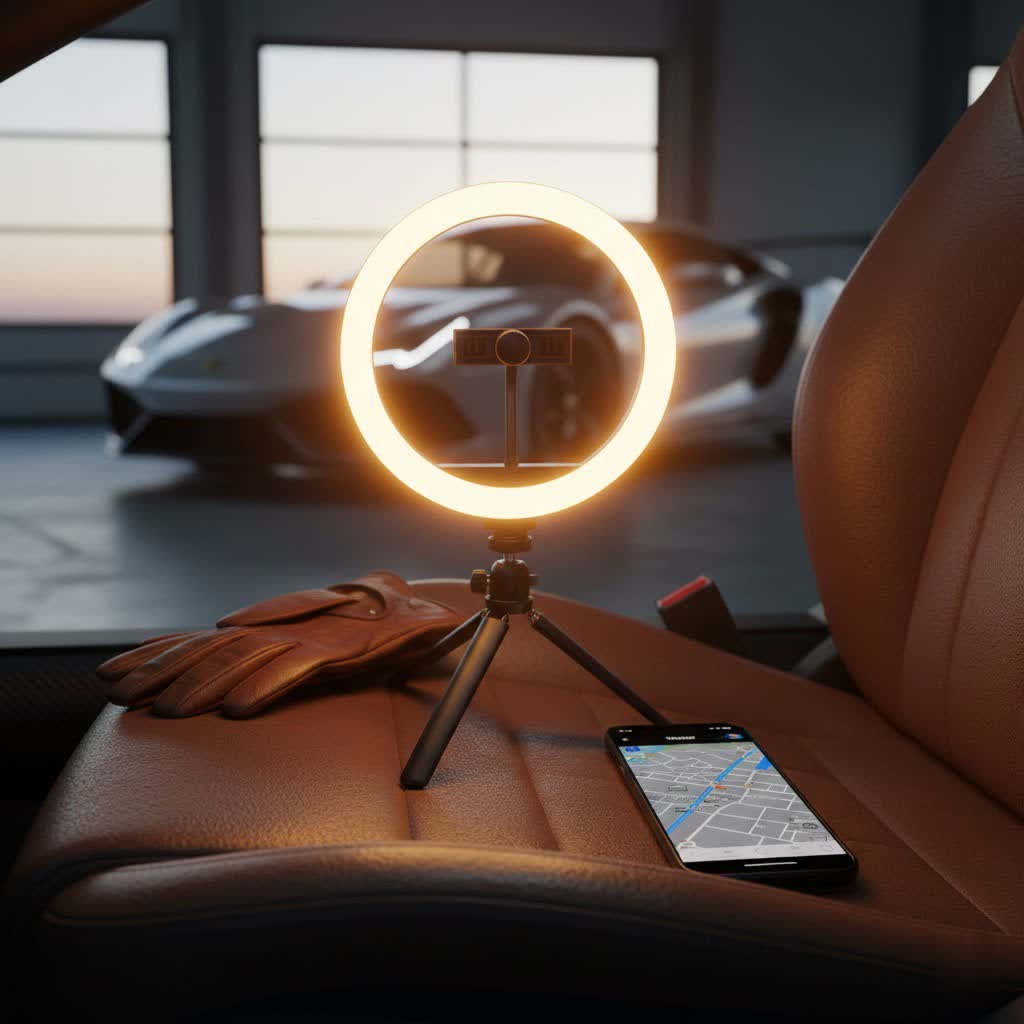
What is a Ring Light Diffuser? Its Purpose and Benefits
A ring light diffuser is an accessory designed to soften and spread the intense light emitted by a ring light. Without it, the individual LED bulbs or circular fluorescent tube can produce direct, harsh illumination that leads to undesirable effects like sharp shadows, excessive glare, and shiny hot spots on surfaces or skin. By scattering the light, the diffuser transforms a concentrated beam into a smooth, even glow, making it far more flattering for subjects.
The primary purpose of a ring light diffuser is to create a more natural and professional lighting environment. This small addition dramatically improves the aesthetic quality of photos and videos. It’s particularly beneficial for close-up work such as beauty photography, makeup tutorials, portrait shots, product photography, and livestreaming, where precise and gentle illumination is crucial. The diffused light minimizes imperfections, softens fine lines, and ensures consistent coverage, helping subjects appear their best on camera.
Common Types of Ring Light Diffusers
Ring light diffusers come in various forms, primarily categorized by their material and how they attach to the light. Understanding these differences can help you select the best option for your specific needs and ring light model.
- Material-Based Types:
- Fabric Diffusers: These are typically made from translucent white fabrics like nylon, muslin, or polyester. They are lightweight, often foldable, and easy to stretch over the ring light. Fabric diffusers are excellent for portability and can provide a very soft, subtle diffusion.
- Plastic/Silicone Diffusers: These durable diffusers are commonly made from frosted acrylic, polycarbonate, or soft silicone. They can be rigid panels that snap into place or flexible silicone covers that slip over the light. Plastic and silicone options often offer a consistent diffusion and are generally more robust than fabric.
- Paper-Based Diffusers: For DIY enthusiasts, materials like diffuser paper or tracing paper can be cut and attached. While effective, they are less durable and should only be used with LED ring lights to avoid heat-related issues.
- Design-Based Types:
- Built-in Diffusers: Many modern ring lights include a frosted plastic cover as a permanent or removable component. These are convenient as they are designed specifically for the light.
- Clip-on/Snap-on Diffusers: These accessories are designed to securely attach to the front of the ring light using clips, elastic bands, or a snapping mechanism. They are popular for aftermarket additions.
- Foldable/Collapsible Diffusers: Similar to softboxes, some ring light diffusers are designed to collapse for easy transport and storage, making them ideal for creators on the go.
Comparing Different Ring Light Diffusers
When choosing a ring light diffuser, comparing the various types based on key attributes is essential. Each material and design offers a unique balance of benefits and considerations.
Detailed Comparison Table
|
Our Picks for the Best Ring Light in 2026
As an Amazon Associate I earn from qualifying purchases.
|
||
| Num | Product | Action |
|---|---|---|
| 1 | UBeesize 12'' Selfie Ring Light with 62’’ Tripod Stand for Video Recording, Live Streaming(YouTube, Instagram, TIK Tok), Compatible with Phones, Cameras and Webcams |

|
| 2 | Ring Spotlight Cam Pro, Plug-in (newest model), Home or business security, Retinal 4K with wide-angle video, 10x Enhanced Zoom, and 600 Lumen Spotlights, White |
|
| 3 | NEEWER Ring Light 18inch Kit: 55W 5600K Professional LED with Stand and Phone Holder, Soft Tube & Bag for Tattoo Lash Extension Barber Makeup Artist Studio Video Photography Lighting, RL-18 |
|
| 4 | Ring Outdoor Cam Pro, Plug-In (newest model), Home or business security, Retinal 4K with wide-angle video, 10x Enhanced Zoom, and Low-Light Sight, White |
|
| 5 | Sensyne 10'' Ring Light with 50'' Extendable Tripod Stand, LED Circle Lights with Phone Holder for Live Stream/Makeup/YouTube Video/TikTok, Compatible with All Phones |
|
| 6 | Hagibis 21 inch Ring Light with Stand Outer 55W 5600k Dimmable LED Light, Tripod Stand,and Phone Holder,Remote Controller,Carrying Bag ,CRI 97+ 2540lux, for Streaming Home Office Zoom Call Lighting |
|
| 7 | Video Conference Lighting for Zoom Meeting, Ring Light for Desk with Flexible Stand, 30 Light Modes Light for Video Recording, Desk Light & Memory Function for Zoom Calls, Video Streaming, Webcam |
|
| 8 | CloudValley Magnetic Desktop 10" Ring Light with Battery Display, 5000mAh Overhead Phone Mount, Foldable Portable LED Light with 3 Modes & 10-Level Brightness for Makeup, Selfies, TikTok, YouTube |
|
| 9 | Ring Floodlight Cam Pro, Wired (newest model), Home or business security, Retinal 4K with wide-angle video, 10x Enhanced Zoom, and 2000 Lumen Floodlights, White |
|
| 10 | Weilisi 10" Ring Light with Stand 72'' Tall & Phone Holder,38 Color Modes Selfie Light with Tripod Stand,Stepless Dimmable/Speed LED Ring Light for iPhone & Android,YouTube, Makeup,TIK Tok |
|
| Feature | Fabric Diffusers | Plastic/Acrylic Diffusers | Silicone Diffusers |
|---|---|---|---|
| Material | Nylon, Muslin, Polyester | Frosted Acrylic, Polycarbonate | Soft, Flexible Silicone |
| Ease of Use | Stretch or tie on, often elastic-edged | Snap-on or slide-in, precise fit | Slip-on, very flexible and easy to apply |
| Softness | Very soft, often with minimal light loss | Good to excellent, depending on frosting density | Excellent, highly uniform diffusion |
| Portability | Highly portable, foldable, lightweight | Less portable, can be bulky, durable | Very portable, flexible, rolls up or collapses |
| Durability | Can tear, may wrinkle, needs careful handling | Very durable, rigid, resistant to warping | Highly durable, flexible, impact-resistant |
| Light Loss | Minimal to moderate | Moderate | Moderate |
| Price Range | Generally affordable | Mid-range to higher (for optical grade) | Mid-range |
| Pros | Excellent softness, very portable, simple | Consistent diffusion, long-lasting, professional look | Great light uniformity, durable, easy to clean |
| Cons | Less durable, may sag over time, tricky to clean | Can be brittle (acrylic), less flexible | May have higher initial cost, can attract dust |
Top Brands for Ring Light Diffusers
While many ring lights come with integrated diffusers, several brands are known for producing quality ring light accessories, including diffusers or ring lights that excel in diffusion. Often, the best diffusers are those specifically designed by the ring light manufacturer for their models.
Brands like Neewer, Lume Cube, and Godox are popular in the lighting industry and frequently offer ring lights that come with diffusers or have compatible diffuser attachments. For example, some Neewer ring lights include sets of white plastic diffusers. Lume Cube’s professional ring lights are often praised for their “gorgeous, soft, wrapping diffused light.” For specialized needs, especially in flash photography, companies like RoundFlash and MagMod offer innovative diffuser systems that adapt to ring flashes, providing excellent diffusion and light control. When purchasing a ring light, checking if a diffuser is included or if compatible ones are available from the same brand is usually the safest bet.
How to Choose the Right Ring Light Diffuser
Selecting the ideal ring light diffuser involves a thoughtful evaluation of your specific requirements and the characteristics of available products. Don’t just pick the first one you see; consider these factors to ensure your investment delivers the best possible results.
Determine Your Usage Needs
Before anything else, clarify your primary purpose. Are you a beauty vlogger aiming for flawless skin tones, a product photographer needing shadowless illumination, or a streamer wanting consistent, comfortable light?
- For beauty and portraits: You’ll want the softest, most even diffusion to minimize blemishes and create appealing catchlights. Fabric or high-quality silicone diffusers are often preferred.
- For product photography: Focus on diffusers that eliminate harsh reflections and provide uniform light distribution across detailed surfaces.
- For video and live streaming: Look for durable, easily attachable diffusers that offer consistent output for extended periods.
Consider the size of your ring light and your workspace. If you travel frequently, a foldable fabric or flexible silicone diffuser will be more convenient than a rigid plastic panel.
Your Budget
Ring light diffusers vary in price, from very affordable DIY options to premium, brand-specific accessories.
- Entry-level: Simple fabric covers or DIY solutions can be very cost-effective.
- Mid-range: Silicone or basic plastic diffusers often offer a good balance of performance and price.
- High-end: Optically engineered acrylic panels or specialized brand-name diffusers might be more expensive but offer superior light quality and durability. Determine how much you’re willing to invest to achieve the desired lighting quality.
Understand Technical Specifications
Delving into a few technical details can help you make an informed choice.
- Diffusion Quality: The primary goal is to spread light evenly. Look for descriptions that emphasize “smooth,” “uniform,” and “spotless” light.
- Light Transmission: Diffusers inherently reduce light output. High-quality diffusers achieve excellent softening with minimal light loss. While specific percentages are rare for consumer products, reviews can often indicate perceived brightness reduction.
- Compatibility: This is crucial. Ensure the diffuser’s diameter matches your ring light. Some universal diffusers use elastic edges or adjustable straps, while others are designed for specific models and sizes.
Read Reviews and Product Comparisons
User reviews and comparative articles are invaluable resources. They offer real-world insights into a diffuser’s effectiveness, ease of use, durability, and any potential downsides. Pay attention to comments regarding:
- Softness and harshness: Does it truly eliminate harshness?
- Installation: Is it easy or frustrating to attach?
- Durability: Does it hold up over time, or does it yellow/warp?
- Light loss: Do users complain about significant brightness reduction?
By gathering these insights, you can make a choice that aligns with both your technical needs and practical expectations.
Where to Buy Ring Light Diffusers
Finding the right ring light diffuser is easier than ever with numerous options available both online and in physical stores.
For convenience and variety, online retailers like Amazon, B&H Photo, Adorama, and other e-commerce platforms are excellent choices. These sites often feature a wide array of diffusers from different brands, with detailed product descriptions and customer reviews. When buying online, always double-check the size compatibility and return policy.
If you prefer to see the product firsthand or need expert advice, specialized photography and electronics stores are great alternatives. These stores often carry a selection of diffusers that can be tested with your existing ring light, ensuring a perfect fit and desired effect.
Remember to consider sellers with good customer service and a clear warranty or return policy, especially when purchasing more specialized or expensive diffusers.
How to Use and Maintain Your Ring Light Diffuser
Using a ring light diffuser is straightforward, but a few tips can help you maximize its benefits and extend its lifespan.
- Installation: Most diffusers are designed for easy attachment. Fabric diffusers often stretch over the ring light with elastic edges, while plastic panels may snap or clip into place. Always ensure the diffuser is securely fitted to prevent it from falling during a shoot. For DIY paper or plastic inserts, make sure to leave some space between the diffuser and the LEDs to prevent overheating, though this is less of a concern with modern, cool-running LED lights.
- Positioning: With the diffuser in place, position your ring light as you normally would, typically with the camera positioned in the center. The diffuser ensures the light wraps softly around your subject, providing even illumination without harsh shadows. Experiment with distance; moving the light closer will make the diffusion even softer, while moving it back will increase the intensity.
- Cleaning and Storage: Keep your diffuser clean to maintain optimal light quality. Gently wipe plastic or silicone diffusers with a soft, damp cloth. For fabric diffusers, spot cleaning or a gentle hand wash may be appropriate, depending on the material. Always avoid harsh chemicals that could damage the diffuser. When not in use, store your diffuser in a clean, dry place. Foldable fabric diffusers should be stored flat or gently rolled to avoid creases that could affect light distribution.
Common Issues When Using a Ring Light Diffuser and How to Fix Them
While diffusers significantly improve lighting, users might encounter a few minor issues. Understanding these and knowing how to troubleshoot can save you time and frustration.
- Uneven Diffusion: Sometimes, the light may still appear slightly uneven, or you might notice subtle hot spots. This can happen with lower-quality diffusers or if the diffuser isn’t perfectly taut (for fabric types).
- Fix: Ensure the diffuser is stretched evenly across the light. For fabric diffusers, check for wrinkles. If it’s a rigid panel, inspect for imperfections. Consider a double-layer diffusion for extra softness, perhaps by adding a thin layer of translucent fabric behind a built-in diffuser.
- Reduced Brightness: A diffuser’s job is to spread light, which naturally reduces its intensity. If your diffused light is too dim, it might be due to the diffuser’s material or density.
- Fix: Most modern ring lights have adjustable brightness. Simply increase the ring light’s power setting to compensate for the light loss. If your light is already at maximum brightness, you might need a diffuser with higher light transmission or a more powerful ring light.
- Diffuser Falling Off: A loose diffuser can disrupt your shoot and potentially damage your equipment.
- Fix: Check the mounting mechanism. Ensure clips are securely fastened, elastic bands are snug, or snap-on panels are fully engaged. If using a DIY solution, use stronger tape or additional clips to secure it firmly.
Addressing these common concerns ensures that your ring light diffuser remains a valuable tool in achieving beautifully soft and professional lighting.
> “A ring light diffuser isn’t just an accessory; it’s a fundamental tool that transforms harsh, direct light into a soft, inviting glow, elevating content from amateur to captivating.” – Admin, reviewubon.com
Conclusion
The journey to impeccable lighting often begins with understanding the nuances of your tools, and for ring light users, the diffuser is an indispensable component. By scattering and softening the direct output, a ring light diffuser eliminates harsh shadows, reduces glare, and creates the beautifully even illumination that makes subjects pop. We’ve explored the diverse types, from flexible fabrics to durable plastics, and armed you with the knowledge to select, use, and maintain the perfect diffuser for your needs. Investing in the right ring light diffuser means investing in the quality and professionalism of your visual content, ensuring every shot is lit to perfection.
What impact has using a ring light diffuser had on your creative work?
Frequently Asked Questions
What material is best for a ring light diffuser?
The best material depends on your priorities. Frosted acrylic or silicone provides excellent, consistent diffusion and durability, while translucent white fabric offers great softness and portability for travel.
Can I make a DIY ring light diffuser?
Yes, you can! Common materials like white translucent fabric, tracing paper, or even white plastic bags can be used. Just ensure they are taut, safely secured, and leave space between the material and LEDs to prevent overheating.
Does a diffuser significantly reduce the brightness of a ring light?
Yes, all diffusers will reduce light output to some extent as they spread the light. However, quality diffusers aim to achieve effective softening with minimal brightness loss. You can usually compensate by increasing your ring light’s power.
How do I clean my ring light diffuser?
For plastic or silicone diffusers, gently wipe them with a soft, damp cloth. Fabric diffusers can often be spot-cleaned or hand-washed with mild soap, then air-dried. Always avoid harsh chemicals to prevent damage.
Are ring light diffusers universal?
Not entirely. While some fabric diffusers with elastic edges offer broader compatibility, rigid plastic or silicone diffusers are often designed for specific ring light diameters. Always check the size compatibility before purchasing.
