Have you ever scrolled through social media or joined a video call and wondered how some people achieve that flawless, radiant look? The secret often lies in a powerful yet simple tool: the ring light. These circular lighting fixtures have become indispensable for content creators, beauty enthusiasts, and professionals alike, transforming ordinary setups into well-lit stages. Choosing the right ring light, however, can be overwhelming with the myriad of options available. This comprehensive guide will illuminate everything you need to know, helping you select a “light up ring” that perfectly fits your needs and budget, so you can always shine your brightest.
What is a Ring Light and What is it Used For?
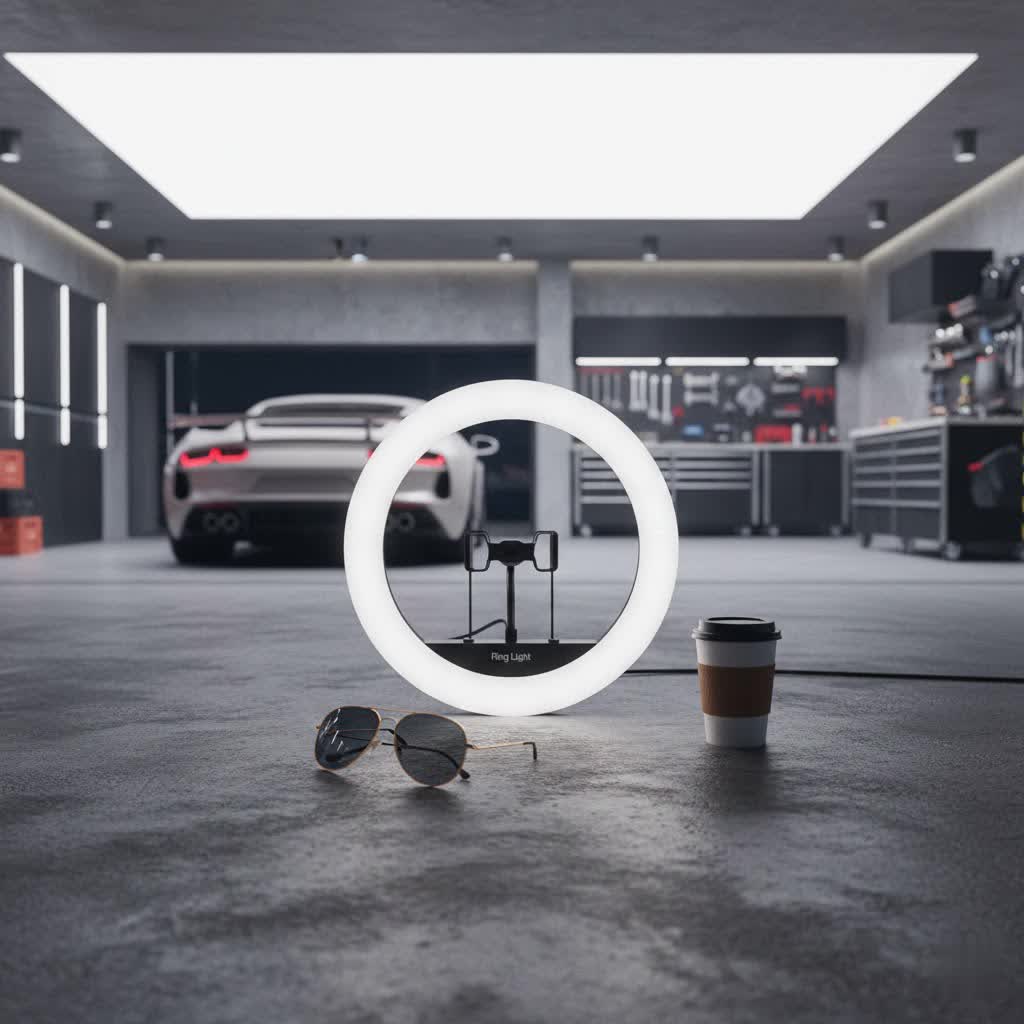
A ring light is essentially a circular lighting device designed to provide even and diffused illumination, minimizing shadows and creating a flattering, soft glow on the subject. It typically consists of a series of small LED bulbs or a single circular fluorescent tube, with an open center allowing a camera, smartphone, or even a person’s face to be positioned within the light source. This unique design ensures that light wraps around the subject from all angles.
The primary purpose of a ring light is to enhance visual quality by delivering uniform lighting. This not only reduces harsh shadows and helps conceal blemishes but also creates distinctive, attractive “catch lights” or “halo” effects in the eyes, adding depth and sparkle to portraits. Its versatility makes it a go-to tool across various fields:
- Photography: Ideal for beauty shots, portraits, fashion, and even macro photography, where it highlights intricate details without harsh shadows.
- Videography: A staple for vloggers, streamers, and online content creators, ensuring consistent and professional-looking video.
- Beauty & Makeup: Makeup artists rely on ring lights for accurate color rendition and to showcase their work, as the even lighting mimics natural daylight.
- Live Streaming & Video Conferencing: Provides a professional edge for virtual meetings, online classes, and live broadcasts, making you look more engaged and polished.
Exploring Different Types of Ring Lights
The world of ring lights offers a diverse range of options, varying in size, technology, and additional features. Understanding these classifications is key to finding the “light up ring” that’s best for you.
By Size
Ring lights come in various diameters, each suited for different applications and levels of portability:
- Small (4-8 inches): Often clip-on or desktop models designed for smartphones, laptops, or very close-up work. They are highly portable and perfect for selfies, video calls, or illuminating small objects.
- Medium (10-14 inches): A popular choice for desktop setups, makeup tutorials, and vlogging, providing a good balance between light output and portability. They offer a softer light than smaller rings.
- Large (18-20+ inches): Professional-grade ring lights that offer the softest, most diffused lighting due to their wider light spread. These are ideal for full-body shots, studio photography, or situations requiring broader, more powerful illumination.
|
Our Picks for the Best Ring Light in 2026
As an Amazon Associate I earn from qualifying purchases.
|
||
| Num | Product | Action |
|---|---|---|
| 1 | Ring Floodlight Cam Pro, Wired (newest model), Home or business security, Retinal 4K with wide-angle video, 10x Enhanced Zoom, and 2000 Lumen Floodlights, White |

|
| 2 | Sensyne 10'' Ring Light with 50'' Extendable Tripod Stand, LED Circle Lights with Phone Holder for Live Stream/Makeup/YouTube Video/TikTok, Compatible with All Phones |
|
| 3 | CloudValley Magnetic Desktop 10" Ring Light with Battery Display, 5000mAh Overhead Phone Mount, Foldable Portable LED Light with 3 Modes & 10-Level Brightness for Makeup, Selfies, TikTok, YouTube |
|
| 4 | Hagibis 21 inch Ring Light with Stand Outer 55W 5600k Dimmable LED Light, Tripod Stand,and Phone Holder,Remote Controller,Carrying Bag ,CRI 97+ 2540lux, for Streaming Home Office Zoom Call Lighting |
|
| 5 | Video Conference Lighting for Zoom Meeting, Ring Light for Desk with Flexible Stand, 30 Light Modes Light for Video Recording, Desk Light & Memory Function for Zoom Calls, Video Streaming, Webcam |
|
| 6 | Ring Spotlight Cam Pro, Plug-in (newest model), Home or business security, Retinal 4K with wide-angle video, 10x Enhanced Zoom, and 600 Lumen Spotlights, White |
|
| 7 | UBeesize 12'' Selfie Ring Light with 62’’ Tripod Stand for Video Recording, Live Streaming(YouTube, Instagram, TIK Tok), Compatible with Phones, Cameras and Webcams |
|
| 8 | NEEWER Ring Light 18inch Kit: 55W 5600K Professional LED with Stand and Phone Holder, Soft Tube & Bag for Tattoo Lash Extension Barber Makeup Artist Studio Video Photography Lighting, RL-18 |
|
| 9 | Ring Outdoor Cam Pro, Plug-In (newest model), Home or business security, Retinal 4K with wide-angle video, 10x Enhanced Zoom, and Low-Light Sight, White |
|
| 10 | Weilisi 10" Ring Light with Stand 72'' Tall & Phone Holder,38 Color Modes Selfie Light with Tripod Stand,Stepless Dimmable/Speed LED Ring Light for iPhone & Android,YouTube, Makeup,TIK Tok |
|
By Technology
The type of light source significantly impacts a ring light’s performance and features:
- LED Ring Lights: These are the most common and popular type today.
- Pros: Highly energy-efficient, longer lifespan, generally produce less heat, and often feature adjustable color temperature and brightness settings. Many models offer a wide range of color temperatures, from warm (yellowish) to cool (bluish) white light.
- Cons: Can be more expensive initially, and if individual LEDs fail, they may require specialized repair.
- Fluorescent Ring Lights: While less prevalent now, fluorescent ring lights were once a standard.
- Pros: Provide consistent brightness, emit very little heat, and often have a softer, more omnidirectional light output than some LED arrays.
- Cons: Less energy-efficient than LEDs, have a shorter lifespan, and typically offer a fixed color temperature (usually cool daylight). They can also be more fragile due to their glass tubes.
By Features
Modern ring lights are packed with features that enhance usability and creative control:
- Dimmability: Allows you to adjust the light intensity, crucial for adapting to different ambient lighting conditions and achieving desired effects.
- Adjustable Color Temperature (Bi-color): Enables switching between warm (e.g., 3200K) and cool (e.g., 5600K) light, or even a continuous spectrum in between, to match skin tones or environmental lighting.
- Remote Control: Many models include wireless remotes for convenient adjustments to brightness and color temperature without needing to touch the light directly.
- Power Source: Options include USB-powered (for portability with power banks), AC-powered (for consistent studio use), and battery-powered (for on-location shooting).
- Mounting Options: Most come with a stand and various mounts for smartphones, cameras, or other accessories like microphones.
Side-by-Side: A Comparison of Ring Light Types
Choosing between different ring light types often comes down to balancing performance with specific use cases and budget. Here’s a general comparison to help you weigh your options:
| Feature | Small Clip-On/Desktop Ring Lights (4-8 inches) | Medium Ring Lights (10-14 inches) | Large Studio Ring Lights (18-20+ inches) |
|---|---|---|---|
| Primary Use | Selfies, video calls, macro, portable | Makeup, vlogging, close-up portraits, tabletop streaming | Professional photography, videography, full-body shots |
| Technology | Mostly LED | Predominantly LED, some older fluorescent | Primarily LED, some fluorescent |
| Power Source | USB, Internal Battery | USB, AC Power | AC Power, sometimes Battery (larger packs) |
| Brightness | Lower output, sufficient for close distances | Moderate to good, sufficient for single subject | High output, fills larger areas evenly |
| Color Temp (K) | Fixed or limited adjustable range (LED) | Often adjustable (bi-color LED) | Usually adjustable (bi-color LED) |
| CRI | Varies, often lower | Generally good (CRI 90+) | Excellent (CRI 95+) |
| Price Range | Low | Mid-range | High |
| Pros | Ultra-portable, affordable, easy to use | Versatile, good balance of features and cost | Softest, most even light, professional results |
| Cons | Limited power, less diffused light, short battery life | Less portable than small, may lack power for wider shots | Less portable, higher cost, can be bulky |
“The perfect ring light isn’t about the biggest or most expensive, but the one that perfectly illuminates your specific creative vision.” – Admin, Reviewubon.com
Top Ring Light Brands You Can Trust
The market is flooded with ring light options, but several brands have consistently delivered quality and innovation. Here are some of the most reputable names:
- Neewer: Known for offering a wide range of affordable yet high-performing ring lights, from compact desktop models to large studio kits. They often provide excellent value for money, making them a popular choice for beginners and budget-conscious creators. The Neewer RL-18 is a frequently recommended model for its balance of size, brightness, and accessories.
- Lume Cube: Specializes in powerful, portable, and professional-grade lighting solutions. Their ring lights, like the Lume Cube Ring Light Pro, are praised for outstanding light quality, remote control capabilities, and robust build, often featuring integrated batteries for wireless use.
- Razer: Primarily a gaming peripheral brand, Razer offers high-quality ring lights (e.g., Razer Ring Light) designed with streamers and content creators in mind. These often feature variable color temperature and solid build quality, sometimes integrating with gaming ecosystems.
- Rotolight: A brand recognized for innovative lighting for videographers and photographers. Their vlogging kits offer compact, powerful solutions for on-the-go content creation, often with unique filter systems for color temperature adjustment.
- Westcott: Provides professional lighting equipment, including high-end ring lights that offer superior brightness, color accuracy, and durability, catering to seasoned photographers and videographers.
- UBeesize & Sensyne: These brands offer popular, accessible options, often found on online marketplaces, providing good entry-level to mid-range ring lights that are well-suited for casual users, makeup enthusiasts, and home setups.
- Xinbaohong: Well-known for its very portable, clip-on selfie lights, perfect for mobile content creators needing quick, on-the-go illumination.
How to Choose the Perfect Ring Light for Your Needs
Selecting the ideal “light up ring” involves a thoughtful assessment of your specific requirements and an understanding of key technical specifications.
Define Your Purpose
Start by clearly identifying how you intend to use the ring light.
- For Photography: Consider larger ring lights (18+ inches) with high CRI (Color Rendering Index) for accurate skin tones and soft, diffused light, especially for portraits and beauty shots. For macro photography, a smaller, camera-mounted ring light might be more suitable.
- For Video Content (Vlogging, Streaming): A medium to large ring light (10-18 inches) with adjustable brightness and color temperature is often recommended to maintain consistent lighting in various environments. Features like a sturdy stand and phone/camera mounts are crucial.
- For Makeup Application: Look for ring lights with high brightness and color temperature adjustability (ideally mimicking natural daylight, around 5500K-6000K) to ensure accurate color application. Portability might be a factor if you’re a mobile artist.
- For Video Conferencing: Smaller, desktop or clip-on ring lights (4-10 inches) that can be easily positioned with your laptop or monitor are usually sufficient to improve your appearance on calls.
Set Your Budget
Ring lights range widely in price, from under $20 for basic clip-on models to several hundred dollars for professional studio setups.
- Entry-Level (Under $50): Typically smaller, USB-powered, with basic brightness and potentially fixed color temperature. Good for casual use.
- Mid-Range ($50-$150): Offers more features like adjustable brightness, bi-color options, sturdier stands, and better build quality. Suitable for most content creators and enthusiasts.
- Professional ($150+): Large, powerful, high CRI, advanced controls (remote, digital display), robust construction, and often battery-powered options for versatility. Designed for demanding users.
Delve into Technical Specifications
Understanding these key metrics will help you compare models effectively:
- Power & Brightness (Wattage, Lux/Lumens): Higher wattage generally means brighter light. Lux measures illuminance at a certain distance (e.g., 3000 Lux at 0.5m), while lumens measure total light output. For brighter, more powerful illumination, especially in larger spaces or for further distances, opt for higher wattages and lux ratings.
- Color Temperature (Kelvin – K): Measured in Kelvin, this indicates the “warmth” or “coolness” of the light.
- Warm light (2700K-3500K) has a yellowish-orange hue, good for cozy ambiances.
- Neutral white (3500K-4500K) resembles natural indoor light.
- Cool white/Daylight (5000K-6500K) mimics natural daylight and is often preferred for makeup and product photography due to its color accuracy.
- Look for models with adjustable color temperature for maximum flexibility.
- Color Rendering Index (CRI): This measures how accurately a light source renders colors compared to natural daylight. A CRI of 90 or higher is generally considered excellent, meaning colors will appear true-to-life. For makeup artists, photographers, and videographers, a high CRI (95+) is crucial.
- Size (Diameter): As a general rule, larger ring lights produce softer and more diffused light because the light source is bigger and wraps around the subject more evenly. Smaller rings are more portable but offer a more concentrated, sometimes harsher, light.
Read Reviews and Watch Comparisons
Before making a final decision, always consult independent reviews and comparison videos. Look for feedback from users with similar use cases to yours. Pay attention to comments on build quality, ease of assembly, brightness, color accuracy, and durability.
Where to Purchase Your Ring Light?
Once you’ve identified the perfect “light up ring,” knowing where to buy it reliably is the next step.
- Online Marketplaces: Major online retailers like Amazon, B&H Photo, and Adorama offer a vast selection of ring lights from various brands, often at competitive prices with extensive customer reviews.
- Specialized Electronics & Camera Stores: For those who prefer to see products in person or need expert advice, visiting local electronics stores or camera shops can be beneficial. They often carry higher-end models and provide immediate assistance.
- Brand Websites: Purchasing directly from a brand’s official website can sometimes offer exclusive deals, direct warranty support, and access to their full product range.
When buying online, always verify the seller’s reputation, check the return policy, and confirm warranty details. This ensures peace of mind with your purchase.
Maximizing Your Ring Light: Usage and Care Tips
Getting the most out of your “light up ring” involves proper setup, effective usage techniques, and diligent maintenance.
Optimal Setup and Positioning
- Mount Securely: Ensure your ring light is firmly attached to its stand or tripod. If using a camera or smartphone, make sure it’s securely mounted within the ring’s center.
- Direct Focus: For optimal, even illumination, position the ring light directly in front of your face or subject, with the camera lens perfectly centered within the ring. This setup minimizes shadows and creates the signature catch light in the eyes.
- Adjust Distance: The distance between the ring light and your subject dramatically affects the light’s softness and intensity. Closer distances result in brighter, more intense light, while moving it further back provides softer, more diffused illumination, covering a broader area.
- Experiment with Angles: While head-on is common, slightly adjusting the angle can create different lighting effects. For instance, a slight off-center angle can add more dimension. For an even softer look, you can bounce the light onto a white wall, ensuring it doesn’t affect your white balance too much.
Essential Maintenance Practices
Proper care will extend the lifespan and maintain the performance of your ring light.
- Keep it Clean: Regularly clean the surface of your ring light to prevent dust and grime buildup, which can dim its brightness and create uneven lighting. Always turn off and unplug the light before cleaning. Use a soft, damp cloth with a mild, non-abrasive cleaner. For plastic parts, test the cleaner on an inconspicuous area first.
- Proper Storage: When not in use, store your ring light in a dry, cool place, preferably in a carry case if one was provided. This protects fragile components like LED panels from damage.
- Avoid Overheating: If using a plug-in ring light for extended periods, avoid leaving it on indefinitely to prevent overheating, which can shorten its lifespan.
- Check Connections: Periodically inspect cables and connections for any wear, tear, or loose fittings to prevent electrical issues.
Troubleshooting Common Ring Light Issues
Even the most reliable “light up ring” can encounter problems. Here are some common issues and their straightforward solutions:
- Light Not Turning On or Flickering:
- Check Power Source: Ensure the light is securely plugged in, the power outlet is working, and the circuit breaker hasn’t tripped. If battery-powered, ensure batteries are charged or replaced.
- Inspect Connections: Look for any loose cables, especially near the power adapter or dimmer knob. A burned or loose cable can prevent proper function.
- Power Cycle: Unplug the light, wait for 30 seconds, and then plug it back in. This can often resolve minor electronic glitches.
- Inspect Bulbs/LEDs: If parts of the light aren’t working, check for visible black spots on individual LED beads, indicating they’ve burned out. Some lights allow individual LED replacement, or you might need to replace the entire LED board.
- Connectivity Issues (for Smart Ring Lights):
- Wi-Fi Connection: Verify your Wi-Fi network is active and the light is within range of your router or smart hub.
- Reboot Devices: Try power cycling your Wi-Fi router and the ring light’s bridge (if applicable).
- Reset Light: Many smart lights have a reset button; consult your manual for instructions, but be aware this will erase all settings.
- Inconsistent or Uneven Lighting:
- Dirt Buildup: A dirty diffuser or light surface can cause uneven light. Clean the light thoroughly.
- Damaged LEDs: As mentioned, failed LEDs will create dark spots. Repair or replace as necessary.
- Stand or Mount Instability:
- Tighten Screws: Ensure all screws and locking mechanisms on the stand and mounts are tightened.
- Even Weight Distribution: If using heavy cameras or accessories, ensure the weight is balanced to prevent tipping. Investing in a sturdier, heavier tripod is advisable for professional setups.
Conclusion
A high-quality “light up ring” is more than just a gadget; it’s an essential tool that can dramatically elevate your visual content, from professional photography and engaging videos to flawless makeup application and confident virtual meetings. By understanding the different types available, dissecting technical specifications like brightness and color temperature, and knowing how to properly use and maintain your chosen light, you empower yourself to achieve truly captivating results. Remember to define your needs, set a realistic budget, and always read reviews to make an informed decision.
Ready to take your content to the next level and truly master your glow?
Frequently Asked Questions
What size ring light is best for beginners?
For beginners, a medium-sized ring light (10-14 inches) offers a great balance of versatility, sufficient brightness for various uses like vlogging and makeup, and relative portability without being overly expensive or cumbersome.
Can I use a ring light for professional photography?
Absolutely. Many professional photographers utilize large (18-inch and up) ring lights, especially for portraits, beauty, and fashion photography, to achieve soft, even illumination and distinctive catch lights in the subject’s eyes.
Is LED or fluorescent better for ring lights?
LED ring lights are generally considered better due to their energy efficiency, longer lifespan, lower heat output, and often superior adjustability for brightness and color temperature. Fluorescent lights are becoming less common.
How do I get rid of the “ring” reflection in my eyes?
The circular “catch light” is often a desired effect. However, if you wish to minimize it, you can slightly move the ring light off-center from the camera, or use additional diffusion materials over the light.
How often should I clean my ring light?
For optimal performance and brightness, it’s recommended to lightly clean your ring light’s surface before each major use, and perform a more thorough cleaning monthly, or whenever you notice dust or smudges.
What is a good CRI for a ring light?
A Color Rendering Index (CRI) of 90 or higher is considered very good for a ring light, ensuring that colors in your photos and videos appear accurate and true-to-life. For professional work, aim for a CRI of 95+.
Are battery-powered ring lights good?
Yes, battery-powered ring lights offer excellent portability and flexibility for shooting on location or in areas without readily available power outlets, though their battery life and maximum brightness might be less than AC-powered models.
