In today’s visually driven world, the quality of your video content can make or break your online presence. Whether you’re a burgeoning vlogger, a seasoned live streamer, a dedicated makeup artist, or a professional presenting virtually, poor lighting is a common nemesis. It can cast unflattering shadows, obscure details, and leave your audience struggling to connect with your message. The solution? A Video Ring Light—a simple yet powerful tool that has revolutionized how creators illuminate their subjects, transforming ordinary footage into polished, engaging, and professional-looking videos. This comprehensive guide, crafted from over a decade of hands-on experience, will walk you through everything you need to know to select and master the perfect ring light for your unique video needs, ensuring you always look your best on camera.
What is a Video Ring Light and How Does It Work?
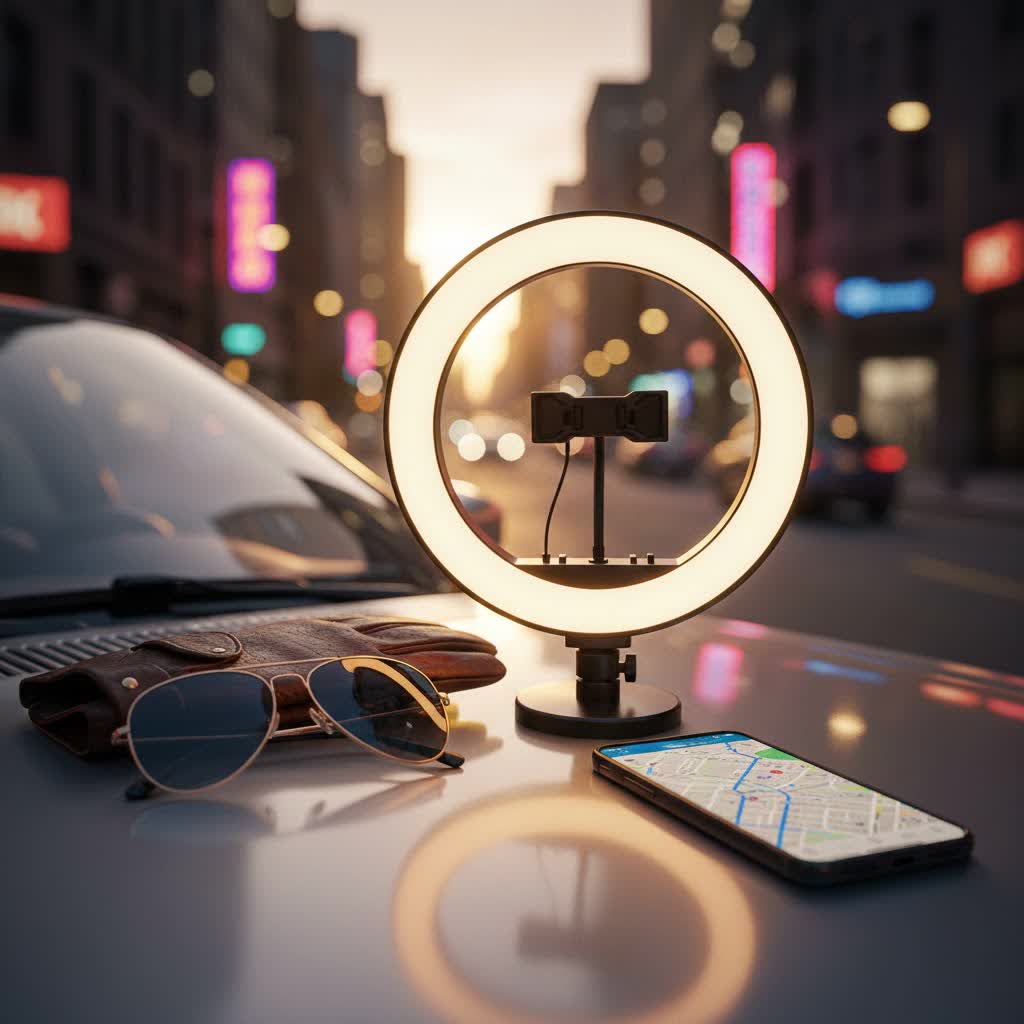
At its core, a video ring light is a circular lighting device designed to provide a soft, even, and shadow-free illumination that encircles your camera lens. This unique design ensures that light is cast directly and uniformly onto your subject from all angles, making it incredibly effective for close-up video work.
The primary purpose of a ring light is to eliminate harsh shadows that can distract from your subject, especially on the face. By spreading the light evenly, it minimizes blemishes, smooths skin tones, and creates a flattering “glamour” or “beauty” light effect. A signature benefit is the distinct, often captivating, circular catchlight it produces in the eyes, adding vibrancy and depth that draws viewers in. This combination of shadow reduction, skin enhancement, and eye-catching sparkle makes ring lights an indispensable tool for anyone aiming to elevate their video quality.
Types of Video Ring Lights
Ring lights come in various forms, each suited for different applications and environments. Understanding these categories is crucial for making an informed choice.
By Size
- Small (6-10 inches): These compact and portable ring lights are ideal for on-the-go content creation. Often clip-on or designed for tabletop use, they are perfect for smartphone selfies, quick video calls, or small-scale vlogging where space is limited. Their portability is a major advantage, though their light output is generally less powerful.
- Medium (10-14 inches): Offering a balance between portability and power, medium-sized ring lights are highly versatile. They excel in close-up videos for smaller rooms, making them a favorite for makeup tutorials, product reviews, and personal vlogging. They provide ample brightness and coverage for individual subjects without being overly bulky.
- Large (18+ inches): When maximum illumination and professional-grade results are required, large ring lights are the go-to. These powerful units deliver the softest, most expansive light spread, making them suitable for broader shots, studio setups, and even full-body video capture. While less portable, their superior light quality is unmatched for serious video production.
|
Our Picks for the Best Ring Light in 2026
As an Amazon Associate I earn from qualifying purchases.
|
||
| Num | Product | Action |
|---|---|---|
| 1 | Weilisi 10" Ring Light with Stand 72'' Tall & Phone Holder,38 Color Modes Selfie Light with Tripod Stand,Stepless Dimmable/Speed LED Ring Light for iPhone & Android,YouTube, Makeup,TIK Tok |

|
| 2 | NEEWER Ring Light 18inch Kit: 55W 5600K Professional LED with Stand and Phone Holder, Soft Tube & Bag for Tattoo Lash Extension Barber Makeup Artist Studio Video Photography Lighting, RL-18 |
|
| 3 | CloudValley Magnetic Desktop 10" Ring Light with Battery Display, 5000mAh Overhead Phone Mount, Foldable Portable LED Light with 3 Modes & 10-Level Brightness for Makeup, Selfies, TikTok, YouTube |
|
| 4 | UBeesize 12'' Selfie Ring Light with 62’’ Tripod Stand for Video Recording, Live Streaming(YouTube, Instagram, TIK Tok), Compatible with Phones, Cameras and Webcams |
|
| 5 | Hagibis 21 inch Ring Light with Stand Outer 55W 5600k Dimmable LED Light, Tripod Stand,and Phone Holder,Remote Controller,Carrying Bag ,CRI 97+ 2540lux, for Streaming Home Office Zoom Call Lighting |
|
| 6 | Ring Floodlight Cam Pro, Wired (newest model), Home or business security, Retinal 4K with wide-angle video, 10x Enhanced Zoom, and 2000 Lumen Floodlights, White |
|
| 7 | Ring Spotlight Cam Pro, Plug-in (newest model), Home or business security, Retinal 4K with wide-angle video, 10x Enhanced Zoom, and 600 Lumen Spotlights, White |
|
| 8 | Sensyne 10'' Ring Light with 50'' Extendable Tripod Stand, LED Circle Lights with Phone Holder for Live Stream/Makeup/YouTube Video/TikTok, Compatible with All Phones |
|
| 9 | Ring Outdoor Cam Pro, Plug-In (newest model), Home or business security, Retinal 4K with wide-angle video, 10x Enhanced Zoom, and Low-Light Sight, White |
|
| 10 | Video Conference Lighting for Zoom Meeting, Ring Light for Desk with Flexible Stand, 30 Light Modes Light for Video Recording, Desk Light & Memory Function for Zoom Calls, Video Streaming, Webcam |
|
By Technology
While older models might have used fluorescent bulbs, the vast majority of modern video ring lights utilize LED (Light Emitting Diode) technology. LED lights are preferred for their energy efficiency, long lifespan, cool operation (preventing discomfort during long shoots), and consistent light output. They also offer greater control over brightness and color temperature.
By Features
Modern ring lights are equipped with a range of features that enhance their usability and versatility:
- Adjustable Brightness: Essential for adapting to various ambient light conditions and achieving the desired exposure without over- or underexposing your subject.
- Adjustable Color Temperature (Bi-Color): Allows you to switch between warm (yellow/orange, e.g., 2700K-3200K) and cool (blue/white, e.g., 5500K-6500K) tones, or a neutral daylight balance (around 4500K-5000K). This flexibility helps match natural lighting or create specific moods.
- Remote Control: Many models include wired or wireless remotes for adjusting brightness and color temperature without disrupting your recording.
- Power Options: Ring lights can be powered via USB (convenient for laptops/power banks), AC adapters (for continuous studio use), or rechargeable batteries (for maximum portability and outdoor shooting). Some offer dual power options for ultimate flexibility.
- Mounting Accessories: Standard kits often include tripods (ranging from tabletop mini-tripods to full-sized floor stands), smartphone holders that position your device centrally within the ring, and sometimes even camera mounts for DSLRs or mirrorless cameras.
Video Ring Light Comparison: Ring Light vs. Softbox
While both ring lights and softboxes are popular lighting tools for video, they serve distinct purposes and create different aesthetic results. Understanding their differences is key to choosing the right tool for your specific video project.
| Feature | Ring Light | Softbox |
|---|---|---|
| Light Quality | Direct, bright, even, flattering for faces | Soft, diffused, natural, wraps around subject |
| Shadows | Minimizes harsh shadows, can create “halo” | Creates soft, natural shadows, adds depth |
| Coverage | Best for close-ups, single subjects, face-focused | Wider spread, good for full-body, multiple subjects |
| Eye Catchlight | Distinct circular “halo” in eyes, captivating | More subtle, natural-looking highlight in eyes |
| Portability | Generally compact, easy to set up and transport | Bulkier, requires more setup time, less portable |
| Cost | Many affordable options, beginner-friendly | Generally more expensive, professional investment |
| Use Cases | Vlogging, makeup tutorials, live streaming, video calls, selfies, product close-ups | Interviews, narrative filming, product photography (full), professional portraits, cinematic looks |
| Aesthetic | Flattering, “beauty” look, clean, modern | Natural, three-dimensional, artistic, versatile |
For quick, easy, and flattering facial illumination, especially for content creators who are often front-and-center, a ring light is often the preferred choice. If you need broader coverage, more directional control, or a more dramatic, natural three-dimensional lighting effect for larger scenes or multiple subjects, a softbox might be more suitable.
Top Ring Light Brands for Video Creators
The market offers a wide array of ring light brands, but a few consistently stand out for their quality, features, and reliability.
- Neewer: Known for offering excellent value, Neewer provides a range of ring lights that balance performance with affordability. Their 18-inch models are particularly popular among content creators for their bright, consistent output and comprehensive kits.
- Lume Cube: A premium brand, Lume Cube offers high-performance ring lights like the Ring Light Pro, often favored by professionals. They feature exceptional brightness, advanced color temperature control, and robust build quality, often with both wireless and USB power options.
- Razer: While primarily known for gaming peripherals, Razer’s ring lights, such as their 12-inch model, are praised for their sturdy build, variable color temperature, and convenient wired remotes, making them great for streaming and virtual meetings.
- UBeesize & Sensyne: These brands are highly regarded for their versatile and budget-friendly options, often offering all-in-one kits with tripods and multiple color modes. They are excellent choices for beginners or those needing reliable performance on a tighter budget.
- Rotolight: Though some of their products may not be marketed purely as “ring lights,” Rotolight offers innovative lighting solutions, like their Ultimate Vlogging Kit, which provides excellent tabletop lighting for small spaces and high-quality vlogging.
- Westcott: Catering to professionals, Westcott’s 18-inch Bi-Color LED ring lights are known for their power, brightness, and accuracy, often including digital readouts and battery compatibility for studio or outdoor shoots.
When selecting a brand, consider not only the features but also the reputation for durability, customer support, and the specific needs of your video production.
How to Choose the Perfect Video Ring Light
Selecting the right video ring light can seem daunting with so many options available. By systematically evaluating your needs and understanding key specifications, you can make a choice that truly enhances your video content.
Assess Your Video Needs
Begin by clarifying your primary use for the ring light.
- Content Type: Are you primarily filming makeup tutorials, vlogging, live streaming, product reviews, or professional video calls? Each requires different levels of brightness, size, and portability.
- Shooting Environment: Will you be in a small office, a dedicated studio, or on the go? This impacts the ideal size and power source. A small, portable clip-on might be perfect for mobile shooting, while a larger, mains-powered unit suits a fixed studio.
- Portability: Do you need to travel frequently with your light, or will it remain in a fixed location? Battery-powered or USB-powered options are excellent for mobility, while AC-powered lights offer consistent power for static setups.
Set Your Budget
Ring lights range widely in price, from under $50 for basic clip-on models to several hundred dollars for professional-grade studio units. Determine how much you’re willing to invest, keeping in mind that a higher price often correlates with better build quality, more advanced features, and greater durability. There are excellent mid-range options that provide fantastic value for most content creators.
Understand Key Technical Specifications
Beyond size, several technical specs directly impact a ring light’s performance.
- Brightness (Lumens/Watts): This indicates how powerful the light is. Look for lights with adjustable brightness settings to adapt to different scenarios. Higher lumens generally mean a brighter light, which can be useful for overpowering ambient light or lighting a larger area.
- Color Temperature (Kelvin): Measured in Kelvin (K), this determines the “warmth” or “coolness” of the light.
- Warm light (2700K-3500K) resembles incandescent bulbs or a sunset glow.
- Neutral/Daylight (4500K-5600K) is often considered most natural for video, mimicking overcast daylight.
- Cool light (6000K-6500K) appears bluish-white.
Many ring lights offer bi-color capabilities, allowing you to adjust between these ranges. Aim for a light with adjustable color temperature to match your environment or creative vision. For video calls, 4500K-5000K is often optimal for a natural look.
- Color Rendering Index (CRI): This measures how accurately a light source renders colors compared to natural sunlight. A CRI of 90 or higher is generally recommended for video and photography to ensure true-to-life color representation, which is especially important for makeup artists and product reviewers.
Check for Essential Features and Accessories
Consider what comes with the ring light and what additional features might be beneficial.
- Mounting Options: Does it come with a sturdy tripod (floor stand or tabletop), and is it height-adjustable? Does it offer mounts for both smartphones and traditional cameras?
- Phone/Camera Holder: Most ring lights include a flexible phone holder that positions your device directly in the center of the ring, ensuring even illumination. Some offer multiple mounting points.
- Remote Control: A remote for adjusting brightness and color temperature is a huge convenience, allowing you to fine-tune settings without interrupting your flow on camera.
- Power Source: Decide between USB, AC-powered, or battery-operated based on your portability needs. Dual power options offer the most flexibility.
- Portability/Storage: If you need to move it around, look for lightweight, foldable designs and included carry cases.
Read Reviews and Expert Opinions
Before finalizing your purchase, consult reviews from other users and expert opinions. Real-world experiences can highlight practical aspects like ease of use, durability, and actual performance that specifications alone might not convey. Look for consistent feedback on brightness, stability, and customer service.
Where to Buy Your Video Ring Light
Once you’ve narrowed down your choices, finding a reputable vendor is crucial.
- Online Retailers: Major online marketplaces like Amazon, B&H Photo Video, and Adorama offer a vast selection of ring lights from various brands, often with competitive pricing and detailed customer reviews. Be sure to check seller ratings and return policies.
- Electronics Stores: Large electronics retailers like Best Buy may carry a selection of ring lights, allowing you to see some models in person before purchasing.
- Specialty Photography/Videography Stores: These stores often have a more curated selection and knowledgeable staff who can provide expert advice, though prices might be slightly higher.
When buying online, always verify the seller’s authenticity, check the warranty, and understand the return and exchange policies to ensure a smooth purchase experience.
Mastering Your Video Ring Light: Usage and Maintenance Tips
Owning a video ring light is one thing; using it effectively and keeping it in top condition is another.
How to Use Your Ring Light Effectively
- Positioning is Key: Place the ring light directly in front of your subject, with your camera or smartphone mounted in the center of the ring. This ensures the most even, shadow-free illumination.
- Eye Level Placement: For the most flattering results, position the center of the ring light at approximately eye level with your subject. Experiment by slightly raising or lowering it to eliminate any unnatural shadows around the eyes or chin.
- Distance Matters: Adjust the distance between the ring light and your subject. Too close, and the light can be harsh and overpowering; too far, and it loses its effectiveness. Find a sweet spot where the light is soft but still illuminates effectively.
- Adjust Brightness and Color Temperature: Start with a lower brightness setting (e.g., 20-30%) and gradually increase it, monitoring your appearance on camera. Adjust the color temperature to complement your skin tone or match the ambient light in your room for a natural look.
- Consider a Second Light: For more advanced setups, a second, less intense light source can be used as a fill light to soften any remaining shadows, or as a backlight to create separation from the background.
Maintenance Tips to Extend Lifespan
- Gentle Cleaning: Dust and fingerprints can affect light output. Gently wipe the LED surface with a soft, dry, lint-free cloth. Avoid harsh chemicals or abrasive materials.
- Proper Storage: When not in use, disassemble the ring light and store it in its original packaging or a dedicated carry case. This protects the LEDs and tripod from damage.
- Handle with Care: Ring lights, especially larger ones, can be delicate. Avoid sudden movements, dropping, or applying excessive force to the light ring or tripod components.
- Power Management: Use the recommended power adapter. If using batteries, ensure they are fully charged before a shoot and properly stored when not in use.
Common Video Ring Light Issues and Solutions
Even the best equipment can encounter occasional glitches. Here are some common issues and how to troubleshoot them.
- Inconsistent or Flickering Light:
- Check Power Source: Ensure the power cable is securely plugged into both the light and the outlet/USB port. If using batteries, check their charge level.
- Faulty Adapter: Try a different power adapter or USB cable if available.
- Overheating: Give the light a break if it’s been running for a long time at maximum brightness.
- Light Too Harsh/Bright:
- Adjust Brightness: Use the dimmer control to reduce the light intensity.
- Increase Distance: Move the ring light further away from your subject.
- Add Diffusion: If your light allows, consider adding an external diffuser (though most ring lights have built-in diffusion) to soften the output further.
- Unwanted Shadows on Background:
- Move Subject Away: Increase the distance between your subject and the background.
- Adjust Light Angle: Slightly adjust the ring light’s angle; sometimes a small change can eliminate unwanted shadows.
- Background Lighting: Add a subtle background light to lift the shadows.
- Tripod Instability:
- Secure All Locks: Ensure all leg locks and height adjustment clamps on the tripod are tightened.
- Even Placement: Place the tripod on a flat, stable surface.
- Avoid Overloading: Do not attach heavy cameras or accessories that exceed the tripod’s weight capacity.
> “The secret to captivating video isn’t always the most expensive camera; it’s consistently beautiful light that enhances your subject and tells their story without distraction.” – Admin, ReviewUbon.com, Senior Ring Light Technician
Conclusion
A video ring light is more than just an accessory; it’s a transformative tool that empowers video creators to produce content that truly shines. By understanding its fundamental principles, exploring the diverse types and features available, and applying effective usage techniques, you can unlock its full potential. From eliminating unflattering shadows and smoothing skin tones to creating those irresistible catchlights, the right ring light ensures you look polished, professional, and perfectly lit every time you hit record. Invest wisely, master its use, and watch your video content illuminate your audience like never before. What’s the next video project you’re excited to light up with your new ring light?
Frequently Asked Questions
What size ring light is best for YouTube videos?
For YouTube videos, a medium-sized ring light (10-14 inches) is generally recommended for solo creators, especially for close-up shots like makeup tutorials or talking-head videos. Larger 18-inch models are ideal for more professional setups or when you need to light a wider area.
Can I use a ring light for video conferencing?
Absolutely! Small to medium-sized ring lights are excellent for video conferencing. They provide flattering, even light that eliminates harsh shadows, helping you look more professional and engaged on calls. Look for models with adjustable brightness and color temperature to match your environment.
What is the ideal color temperature for video recording?
The ideal color temperature for video recording often falls in the “daylight” range, between 4500K and 5600K. This provides a neutral, natural-looking light that accurately represents colors. Many ring lights offer adjustable color temperature, allowing you to fine-tune it for your specific setting.
How far should a ring light be from your face for video?
The optimal distance for a ring light is typically between 2 to 3 feet from your face. This distance helps to evenly illuminate your features without creating harsh hotspots or being overly bright. Experiment to find the sweet spot that works best for your setup and desired look.
Is a ring light better than natural light for video?
While natural light can be beautiful, it’s often inconsistent and uncontrollable. A ring light provides consistent, controllable, and flattering artificial light, making it a reliable choice for video, especially indoors or when natural light is insufficient. It gives you precise command over your illumination regardless of time or weather.
Do ring lights make your eyes look good in videos?
Yes, one of the most celebrated effects of a ring light is the distinct, circular catchlight it creates in the eyes. This “halo” effect makes eyes appear brighter, more vibrant, and more engaging, which is a significant benefit for any video content where facial expression and connection are key.
