In today’s visually-driven world, a perfectly lit selfie or a professional-looking video can make all the difference. Whether you’re a content creator, a makeup artist, or simply someone who loves capturing moments, the challenge of inconsistent lighting is universal. Harsh shadows, unflattering tones, and dim environments can often ruin an otherwise perfect shot. This is where the magic of a selfie ring light comes in. Designed to provide consistent, soft, and flattering illumination, a good selfie ring light transforms your photos and videos, making you look your best every time. This comprehensive guide will walk you through everything you need to know, from understanding what a selfie ring light is to selecting the ideal one for your specific needs and budget.
What is a Selfie Ring Light? Its Uses and Benefits
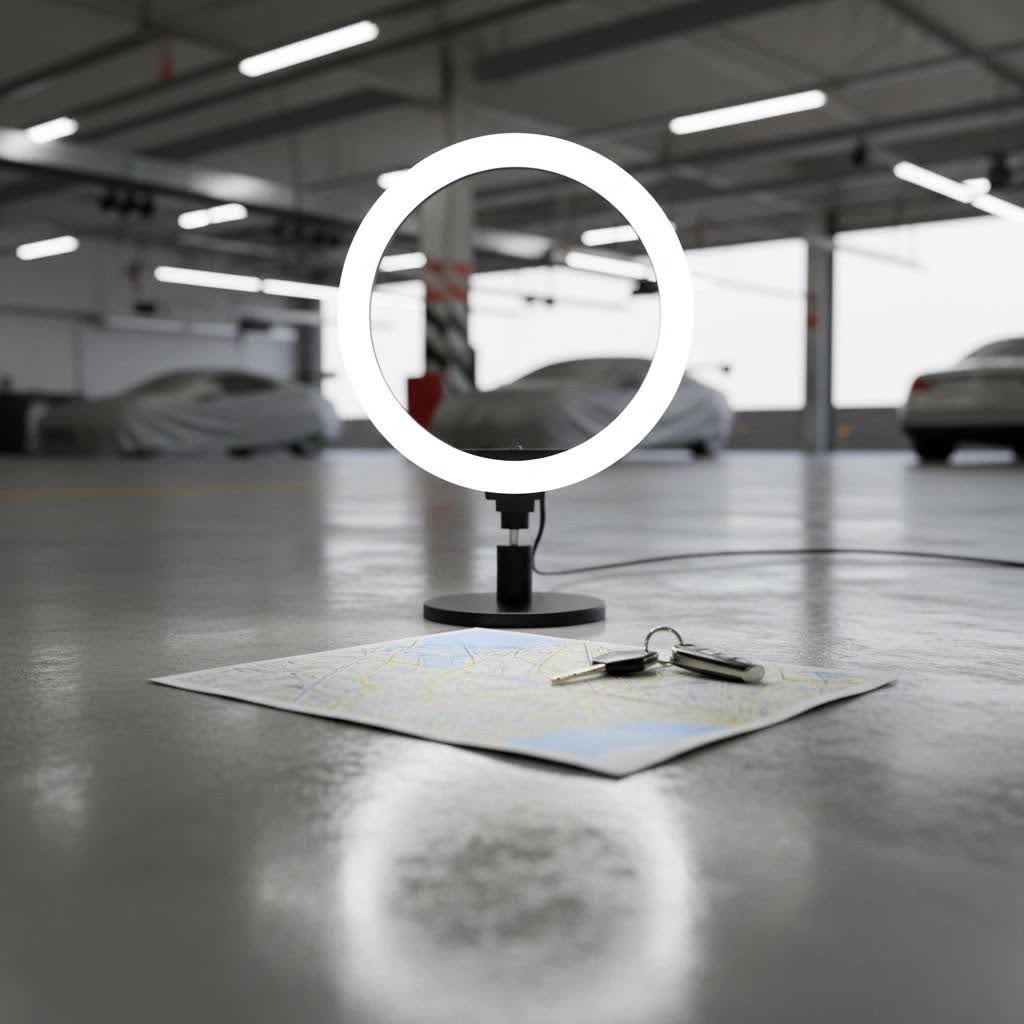
A selfie ring light is a circular lighting device, typically equipped with LED bulbs, designed to provide even and flattering illumination for close-up photography and videography. Its unique circular shape ensures that light is distributed uniformly around the subject, eliminating harsh shadows and creating a soft, professional glow. The most distinctive feature is the “catchlight” – a perfect circle of light reflected in the eyes, which adds a professional and captivating sparkle.
The benefits of using a selfie ring light extend far beyond just taking better selfies. For content creators, it’s an indispensable tool for enhancing video quality on platforms like TikTok, Instagram Reels, and YouTube. Makeup artists rely on them for precise application and showcasing their work with true-to-life colors. For video calls and live streaming, a ring light ensures you appear bright, clear, and engaged, no matter the ambient light conditions. It also serves budding photographers for product photography, providing crisp, shadow-free lighting that highlights details.
Types of Selfie Ring Lights on the Market
Selfie ring lights come in various forms, each designed to cater to different needs and environments. Understanding these types is crucial for making an informed decision. They can generally be classified by their size, mounting style, and features.
The most common types include clip-on ring lights, which are small, portable units that attach directly to your smartphone or laptop. These are ideal for on-the-go use, spontaneous selfies, or quick video calls. Next are desktop or tabletop ring lights, usually 6-12 inches in diameter, that come with a small tripod stand, perfect for use on a desk during makeup tutorials or Zoom meetings. For more professional setups, large stand-mounted ring lights range from 10 to 18 inches or more, often featuring tall, adjustable tripods that can extend to floor height, accommodating a variety of shooting angles and full-body shots. While most modern ring lights utilize energy-efficient LED technology, older models might use fluorescent bulbs, though LED is now the industry standard due to its longevity and versatility.
Comparing Popular Selfie Ring Light Types
Choosing between the different types can be tricky, so let’s break down their characteristics in a detailed comparison. This table highlights the key differences to help you align your choice with your primary use cases.
| Feature | Clip-On Ring Light | Desktop/Small Tripod Ring Light | Large Stand-Mounted Ring Light |
|---|---|---|---|
| Size (Diameter) | 3-6 inches | 6-12 inches | 10-18+ inches |
| Portability | Excellent (pocket-sized, attaches to phone) | Good (fits in bags, lightweight tripod) | Moderate (often comes with a carry bag) |
| Power Source | Rechargeable battery (USB-C/Micro USB) | USB-powered (laptop, power bank, wall adapter) | Plug-in power, sometimes rechargeable battery |
| Ideal Use | Quick selfies, video calls, on-the-go content | Makeup tutorials, YouTube videos, Zoom meetings | Professional photography, live streaming, vlogging |
| Brightness | Basic to moderate, often 3 levels | Moderate to high, often 10+ dimmable levels | High, extensive dimming control |
| Color Temp. | Often 3 fixed settings (warm, neutral, cool) | Adjustable (e.g., 2700K-6500K) | Wide adjustable range (e.g., 2700K-7000K) |
| Price Range | Low ($10-$30) | Mid-low ($30-$70) | Mid-high to High ($70-$200+) |
| Pros | Ultra-portable, convenient, affordable | Versatile, good for specific tasks, stable | Professional results, highly adjustable, powerful |
| Cons | Limited power/brightness, smaller light spread | Can be restrictive for full-body shots | Less portable, requires more space, higher cost |
Top Selfie Ring Light Brands and Models
The market is flooded with options, but certain brands consistently deliver quality and performance in selfie ring lights. When considering a purchase, looking into established names can often guarantee a better user experience and longevity. Brands like Sensyne, UBeesize, and Neewer are frequently lauded for their excellent balance of features, affordability, and reliability. Sensyne, for instance, offers compact yet powerful ring lights, often praised for their ease of use and portability, making them ideal for everyday selfie-takers and budding influencers. UBeesize is known for its versatile models that frequently include robust tripods and remote controls, catering to a wide range of content creation needs. Neewer, on the other hand, often provides more comprehensive kits, favored by those seeking professional-grade lighting solutions with larger rings and advanced features for studio-like setups. While these brands offer popular choices, other reputable names like Lume Cube and Razer also provide premium options for specific use cases, such as extreme portability or high-end streaming.
How to Choose the Right Selfie Ring Light for Your Needs
Selecting the perfect selfie ring light requires a thoughtful evaluation of several factors. By considering your specific requirements, you can find a device that truly enhances your visual content.
Assess Your Usage Needs
|
Our Picks for the Best Ring Light in 2026
As an Amazon Associate I earn from qualifying purchases.
|
||
| Num | Product | Action |
|---|---|---|
| 1 | Ring Outdoor Cam Pro, Plug-In (newest model), Home or business security, Retinal 4K with wide-angle video, 10x Enhanced Zoom, and Low-Light Sight, White |

|
| 2 | Ring Spotlight Cam Pro, Plug-in (newest model), Home or business security, Retinal 4K with wide-angle video, 10x Enhanced Zoom, and 600 Lumen Spotlights, White |
|
| 3 | Sensyne 10'' Ring Light with 50'' Extendable Tripod Stand, LED Circle Lights with Phone Holder for Live Stream/Makeup/YouTube Video/TikTok, Compatible with All Phones |
|
| 4 | Ring Floodlight Cam Pro, Wired (newest model), Home or business security, Retinal 4K with wide-angle video, 10x Enhanced Zoom, and 2000 Lumen Floodlights, White |
|
| 5 | NEEWER Ring Light 18inch Kit: 55W 5600K Professional LED with Stand and Phone Holder, Soft Tube & Bag for Tattoo Lash Extension Barber Makeup Artist Studio Video Photography Lighting, RL-18 |
|
| 6 | UBeesize 12'' Selfie Ring Light with 62’’ Tripod Stand for Video Recording, Live Streaming(YouTube, Instagram, TIK Tok), Compatible with Phones, Cameras and Webcams |
|
| 7 | Video Conference Lighting for Zoom Meeting, Ring Light for Desk with Flexible Stand, 30 Light Modes Light for Video Recording, Desk Light & Memory Function for Zoom Calls, Video Streaming, Webcam |
|
| 8 | Hagibis 21 inch Ring Light with Stand Outer 55W 5600k Dimmable LED Light, Tripod Stand,and Phone Holder,Remote Controller,Carrying Bag ,CRI 97+ 2540lux, for Streaming Home Office Zoom Call Lighting |
|
| 9 | CloudValley Magnetic Desktop 10" Ring Light with Battery Display, 5000mAh Overhead Phone Mount, Foldable Portable LED Light with 3 Modes & 10-Level Brightness for Makeup, Selfies, TikTok, YouTube |
|
| 10 | Weilisi 10" Ring Light with Stand 72'' Tall & Phone Holder,38 Color Modes Selfie Light with Tripod Stand,Stepless Dimmable/Speed LED Ring Light for iPhone & Android,YouTube, Makeup,TIK Tok |
|
Begin by defining why you need a ring light. Are you primarily taking quick selfies for social media, or do you plan to shoot extensive video tutorials? For casual use or video calls, a compact clip-on or desktop model might suffice. If makeup application, TikTok videos, or product photography are your main goals, a 10-12 inch ring light with a stable tripod will offer greater flexibility and better illumination. For professional live streaming, YouTube content creation, or studio photography, a larger 14-18 inch model with advanced features and a robust floor stand is advisable to ensure broad, consistent lighting.
Determine Your Budget
Selfie ring lights are available across a wide price spectrum. Entry-level models (under $30) are typically clip-on or small desktop units with basic features. Mid-range options ($30-$100) offer more adjustability in brightness and color temperature, often with larger sizes and sturdy tripods. For professional setups, you might invest in high-end ring lights ($100+) that boast superior build quality, extensive features like app control, and higher light output. Setting a budget early will help you narrow down your choices efficiently.
Understand Key Technical Specifications
To make an informed decision, familiarize yourself with these important terms:
- Power (Wattage/Lumens) & Brightness: Higher wattage often indicates more powerful light output, but lumens (lm) directly measure brightness. Look for lights with adjustable brightness levels (often 1% to 100%) to adapt to different lighting conditions.
- Color Temperature (Kelvin – K): This refers to the warmth or coolness of the light. A range from 2700K (warm, yellowish) to 6500K (cool, bluish white) allows you to match ambient light or create specific moods. Many ring lights offer three primary settings: warm, neutral, and cool.
- Color Rendering Index (CRI): A CRI of 90 or higher indicates that the light will accurately represent colors, which is crucial for makeup artists and anyone wanting true-to-life skin tones in their photos and videos.
Evaluate Portability and Power Options
Consider where and how you’ll be using your ring light. If you travel frequently or shoot on location, a lightweight, foldable, and battery-operated model is essential. Many compact ring lights are USB-powered, allowing you to use a laptop or power bank on the go. For stationary setups, a plug-in model provides consistent power without worrying about battery life. Some advanced models offer both battery and AC power options for maximum versatility.
Read Reviews and Compare Products
Before finalizing your purchase, always consult expert reviews and user feedback. Look for consistent positive comments regarding light quality, durability, ease of use, and customer service. Compare specific models based on the technical specifications and features most important to your needs. Real-world experiences from other users can provide invaluable insights that specifications alone might not reveal.
Where to Buy Your Selfie Ring Light
Once you’ve determined the ideal selfie ring light, finding a reputable retailer is the next step. You can typically purchase these devices from several channels, both online and in physical stores. Major online retailers like Amazon, B&H Photo, or specialized electronics websites offer an extensive selection, often at competitive prices, with customer reviews and detailed product specifications. Additionally, many general electronics stores or photography equipment shops might carry a variety of ring lights where you can see the products in person.
When buying online, always verify the seller’s return policy and warranty information. Look for products with clear descriptions and reliable shipping options. Ensuring that you have a pathway for returns or exchanges if the product doesn’t meet expectations is crucial for a satisfactory purchase.
Maximizing Your Selfie Ring Light: Usage and Care Tips
Getting the most out of your selfie ring light involves more than just plugging it in. Proper usage and consistent care can significantly enhance your results and extend the lifespan of your device.
For optimal lighting, position the ring light directly in front of you, at eye level. This placement ensures the light evenly illuminates your face, minimizes shadows, and creates those desirable catchlights in your eyes. Experiment with the brightness and color temperature settings to find what best suits your environment and desired aesthetic. A warmer light might be better for a cozy, intimate feel, while a cooler, brighter light can create a crisp, professional look.
To prolong the life of your ring light, always handle it gently, especially when adjusting the stand or ring angle. Store it in a protective bag or case when not in use, away from dust and moisture. If your model has a rechargeable battery, follow the manufacturer’s guidelines for charging to maintain battery health. Periodically wipe down the LED surface with a soft, dry cloth to remove any dust that might impede light output.
Common Selfie Ring Light Issues and Simple Fixes
Even the best selfie ring lights can encounter minor issues. Knowing how to troubleshoot these common problems can save you time and frustration. One frequent issue is inconsistent lighting or flickering. This can often be due to a loose connection, so check all cables and power sources. If it’s battery-powered, ensure it’s fully charged. Another common concern is an unstable stand, which can result in shaky footage. Make sure all locking mechanisms on the tripod are tightened securely, and place the stand on a flat, stable surface. Some users experience rapid battery drain; this might indicate an aging battery that needs replacement or that you’re operating the light at maximum brightness for extended periods. Try reducing the brightness or keeping it plugged in when possible. Lastly, remote control connectivity issues can arise. Ensure the remote’s battery is functional and that it’s paired correctly via Bluetooth to your device. Sometimes, simply restarting both the ring light and your phone can resolve connection problems.
Conclusion
The selfie ring light has become an indispensable tool for anyone looking to elevate their visual content. From eliminating unflattering shadows to creating captivating catchlights in your eyes, it offers a simple yet powerful way to enhance your appearance and the quality of your photos and videos. By understanding the different types, considering essential technical specifications like brightness and color temperature, and assessing your unique usage needs and budget, you can confidently choose the perfect device. Investing in a quality selfie ring light means investing in clearer, brighter, and more professional-looking content that truly stands out. So, are you ready to step into the spotlight and transform your visual storytelling?
Frequently Asked Questions
What is the ideal size for a selfie ring light?
The ideal size depends on your primary use. For portability and casual selfies, a 3-6 inch clip-on light is great. For makeup tutorials or desktop use, 8-12 inches is often preferred. For professional video and photography, larger 14-18 inch ring lights provide more comprehensive illumination.
How important is Color Rendering Index (CRI) for a selfie ring light?
CRI is very important, especially for applications like makeup tutorials or product photography. A CRI of 90 or higher ensures that colors are rendered accurately and naturally, preventing your skin tone or products from looking washed out or artificially colored.
Can I use a selfie ring light with any smartphone?
Most selfie ring lights are designed to be universally compatible with smartphones, either through adjustable phone holders integrated into the stand or clip-on mechanisms. Some newer models also offer MagSafe compatibility for iPhones, but generally, any smartphone can be used.
What’s the difference between Kelvin (K) and lumens in ring lights?
Kelvin (K) measures the color temperature of the light (how warm or cool it appears), while lumens measure the total amount of visible light produced by a source (its brightness). Both are crucial specifications to consider for desired aesthetic and light intensity.
Are rechargeable selfie ring lights as powerful as plug-in ones?
Rechargeable ring lights offer excellent portability, but plug-in models often provide more consistent and powerful illumination for longer durations without dimming. While many rechargeable lights are quite bright, high-power professional setups usually rely on AC power.
